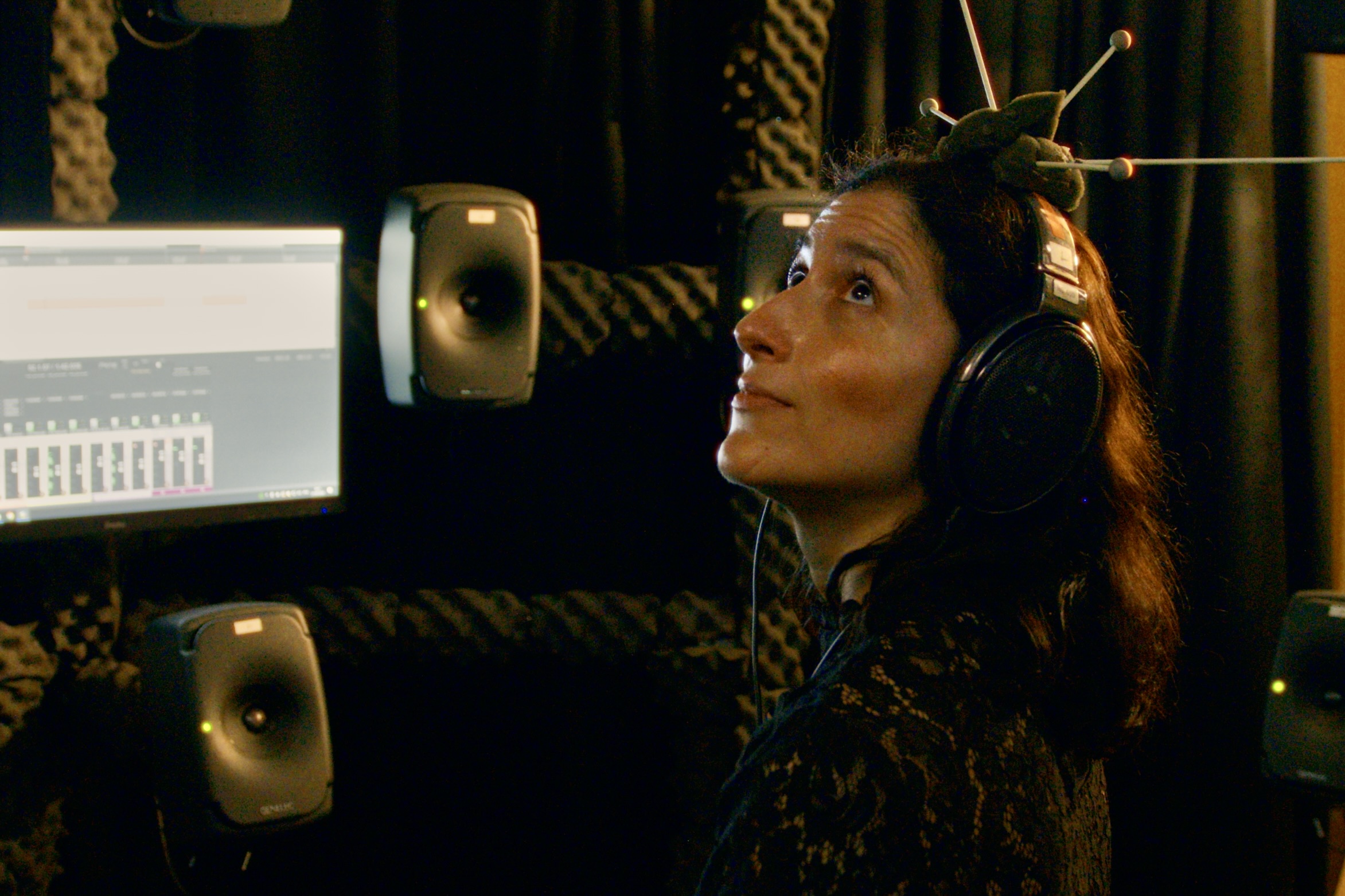
Summer's End
Short Film
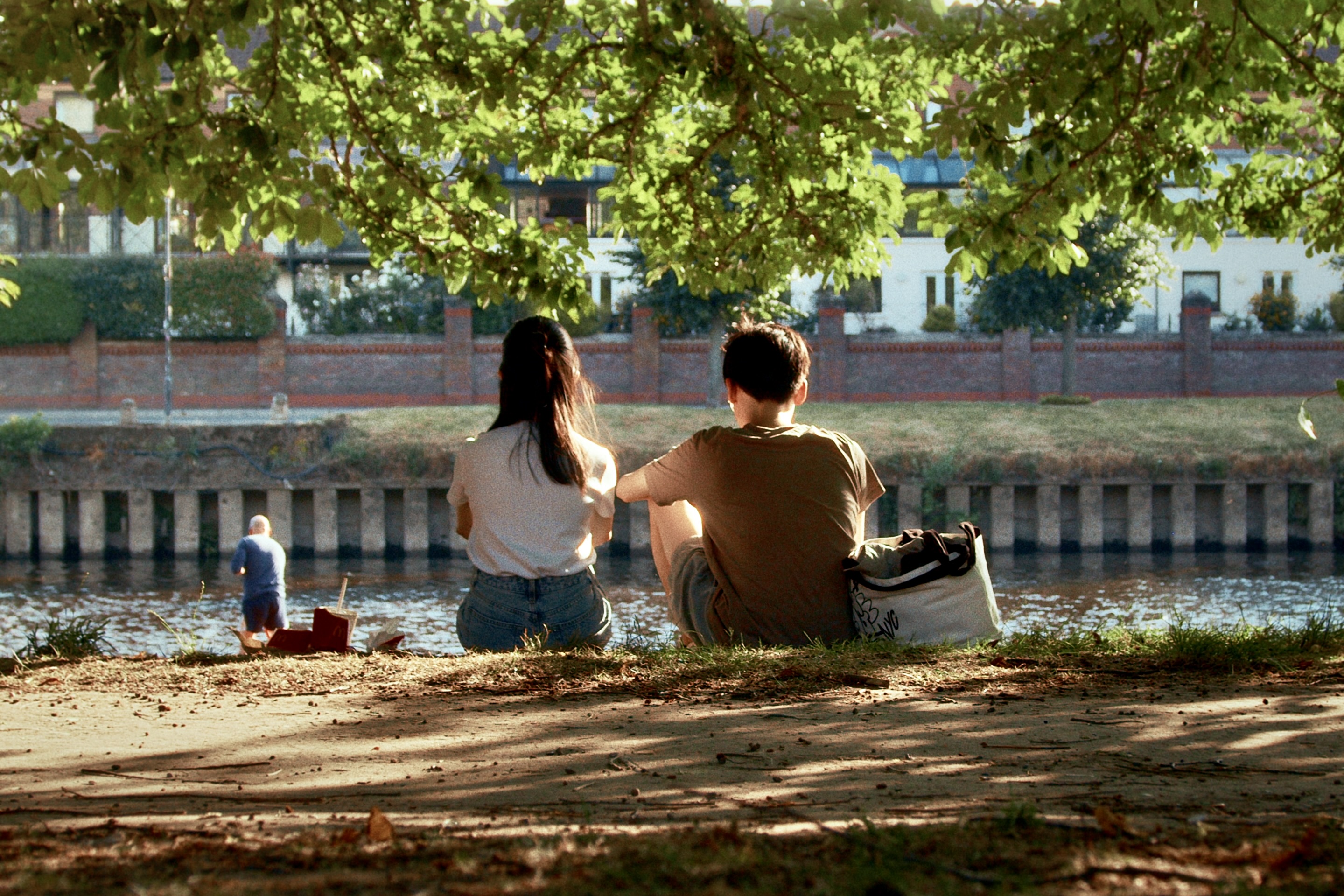
‘You know, I keep thinking… what if this is the last time we meet?’
Years ago, a man left his hometown for the city. Now, a couple of summers later than he planned, he comes back hoping to find the girl who had once been everything. Over the years, their text messages dwindled into empty exchanges, until they quietly slipped out of each other’s lives.
He waits at the old bus stop, and wonders if he will ever see her again. As the afternoon drifts by, and the sun is setting in the distance, the man’s thoughts return to the last time the two of them spoke, walking side by side on a warm summer day, unaware that the encounter would become their final goodbye.

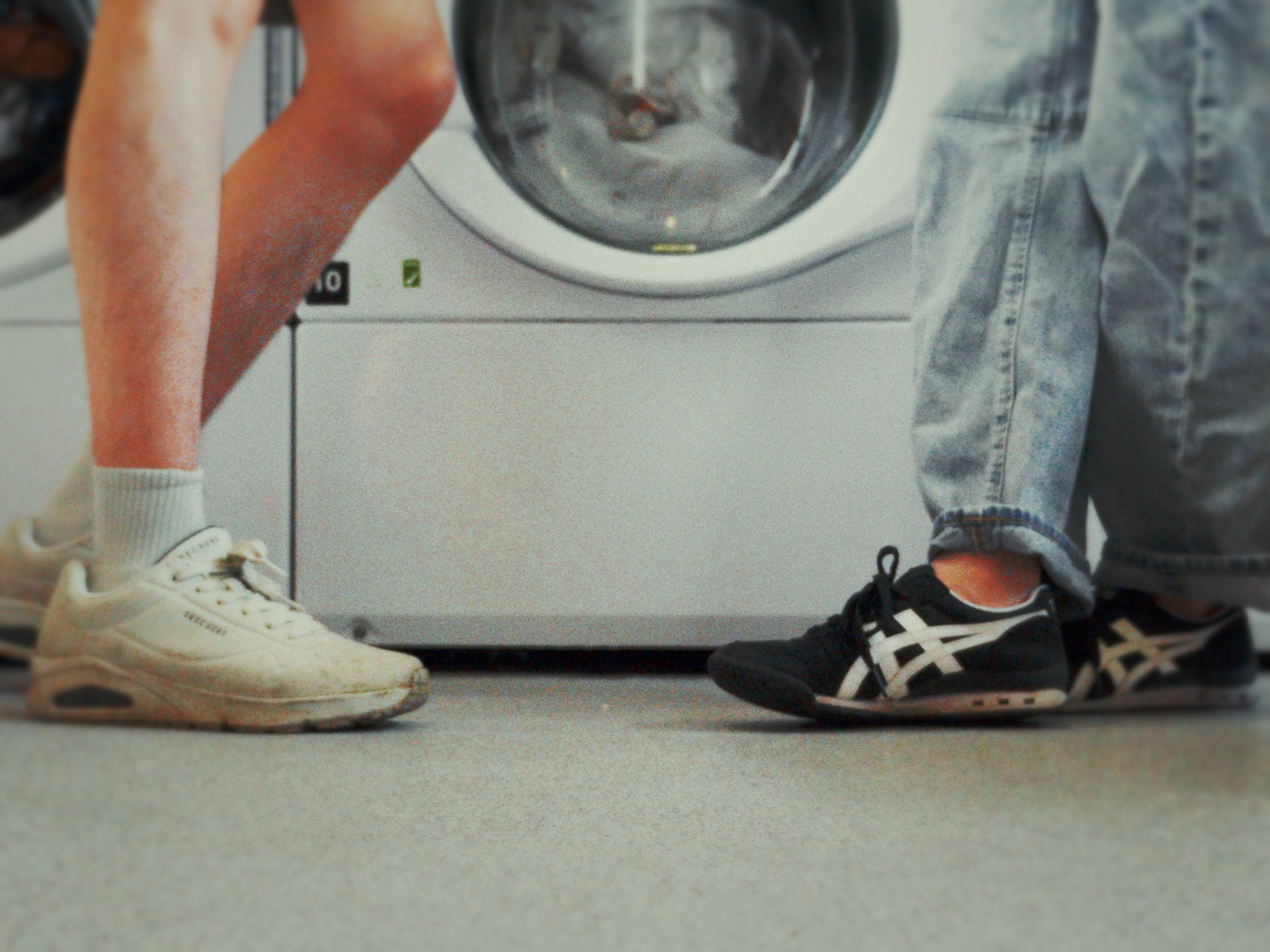
The concept for this film grew out of a larger idea I first developed while directing another short as part of an assessment during my filmmaking course. Unfortunately, unforeseen circumstances required that earlier project to be heavily altered in post-production, resulting in many of its original story elements being lost in the final cut.
This film revisits those abandoned ideas, reshaping and combining them into a new standalone piece. Shot over the course of a single afternoon, the entire production was completed within 48 hours, with an original score added in a later cut to complete the film.
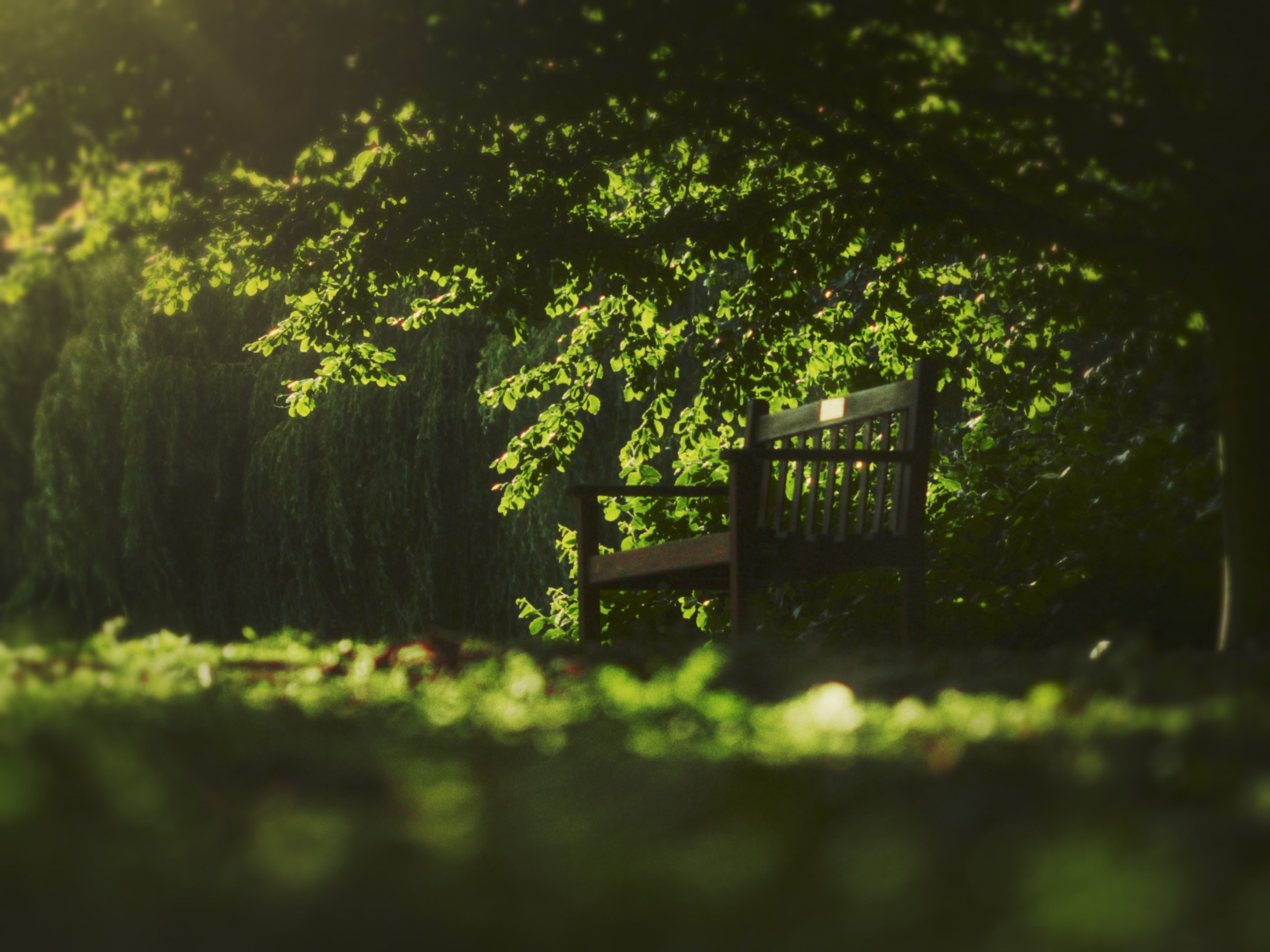
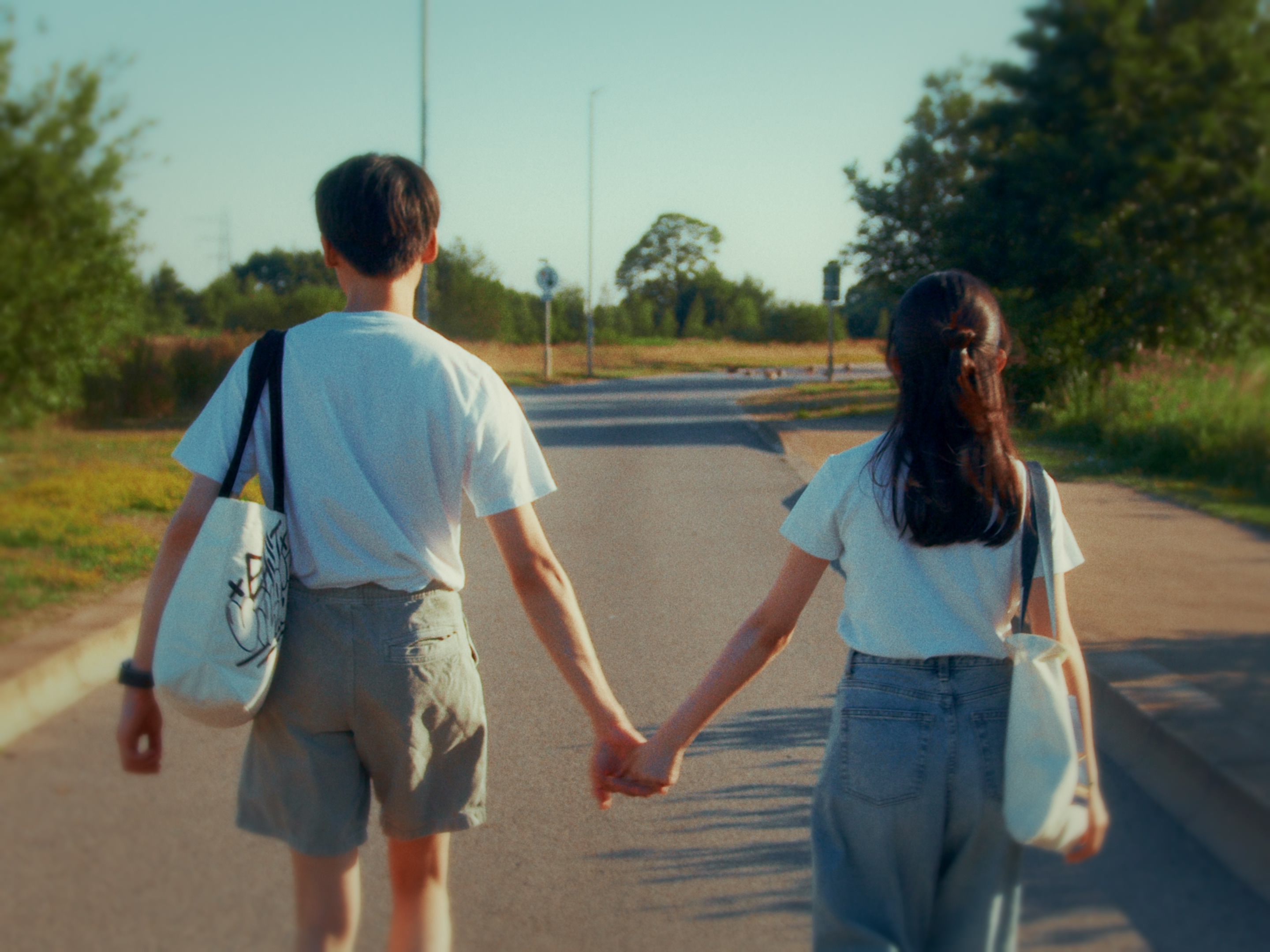
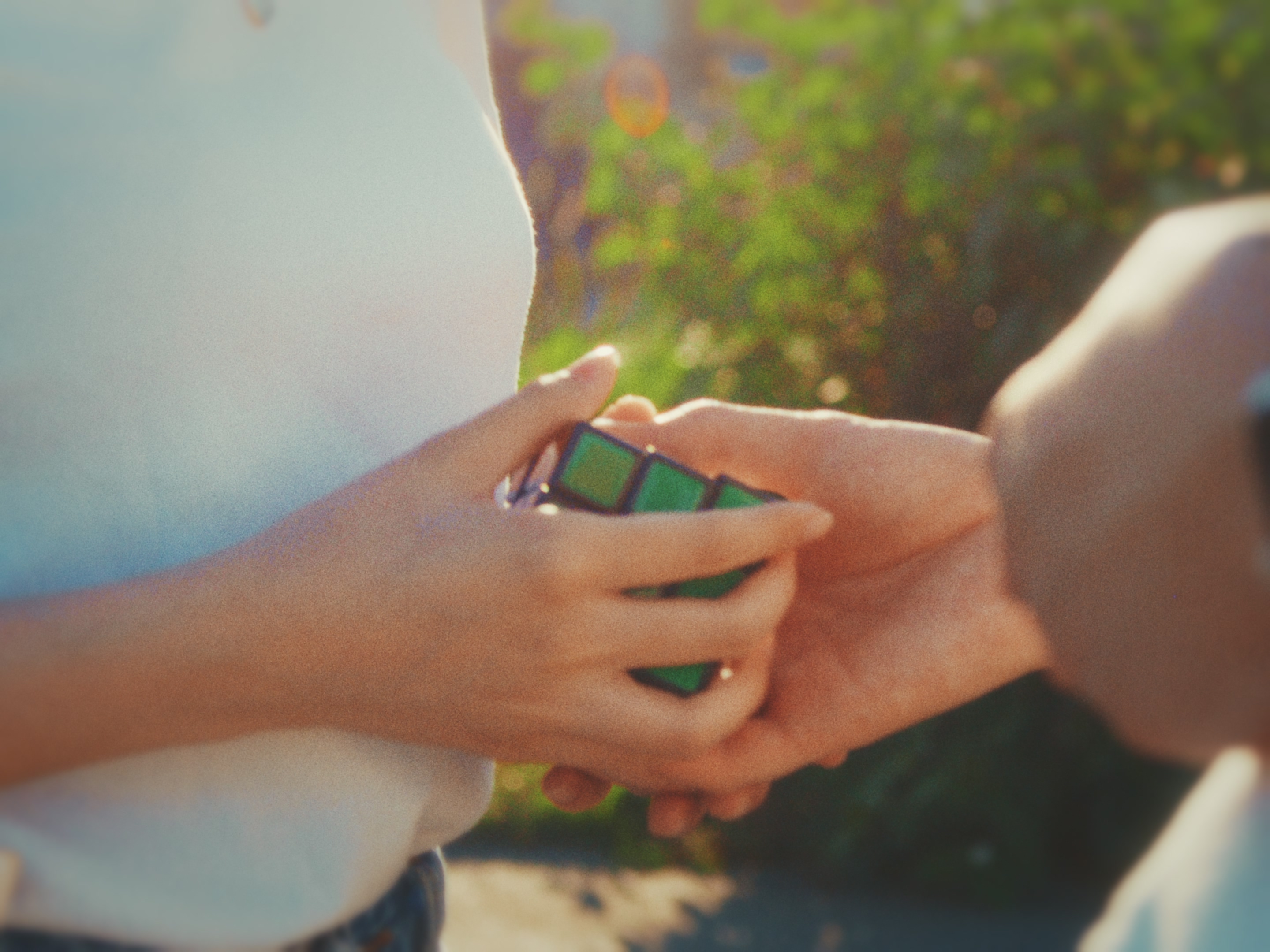
The entire film was shot with a minimalist, guerrilla-style approach that shaped both the film’s look and the way its narrative is constructed. With just a simple outline and a couple of lines of dialogue, I worked with the actors during the voice-over recording to peice together the backstory of the two characters that would inform their dialogue and their delivery. While a handful of images were envisioned in advance, many of the scenes emerged organically in the moment.
A conscious decision was made to avoid showing the actors’ faces, both for logistical reasons and to heighten the sense of isolation. While many filmmakers prioritise close-ups to draw attention to micro-expressions, by removing the audience’s ability to read the characters’ emotions directly, the characters become more distant and inaccessible. No matter how much the viewer wants to connect with them, there is a persistent barrier, reinforcing the feeling of emotional separation at the heart of the story.