Hiking in Hong Kong?!
These days, whenever I mention hiking in Hong Kong to people who have never visited the megacity, I’m often met with a mix of confusion and disbelief.
‘Oh, I thought Hong Kong was just one big concrete jungle.’
‘It must have been really cool to have grown up in such a cyberpunk-esque city!’
In hindsight, Hong Kong is indeed a city of contrast, with wealthy business districts spread across the Island and chaotic suburbs in downtown Kowloon. Perhaps one of the most well-known iconographies of Hong Kong is the cage homes, and by extension, the Kowloon Walled City. What started as a Chinese military fort in 1843, over decades of political struggle, became an infamous enclave, ungoverned and a hotbed of unregulated criminal activity.
Yet, for what it was as a slum with subhuman living conditions, it is nevertheless surprising how much it continues to be romanticised today. Type ‘Hong Kong’ online and you’ll find tons and tons of films, comics and artworks dedicated to celebrating this once lawless neighbourhood.
Having grown up in the New Territories, however, a relatively rural region in Hong Kong comprising largely of wetlands, parks and mountains, it’d never occurred to me that my home would be so widely perceived this way.
Perhaps due to such reputations, I’ve realised that the majority of tourists visiting Hong Kong would only ever travel to places like Causeway Bay, Mong Kok and Victoria Harbour.
To me, that’s rather sad. Despite the stunning scenery the countryside offers, there is hardly anyone visiting. This begs the question: What kind of hiking trails are there beyond the cosmopolitan city centre?
What are the Hikes Like?
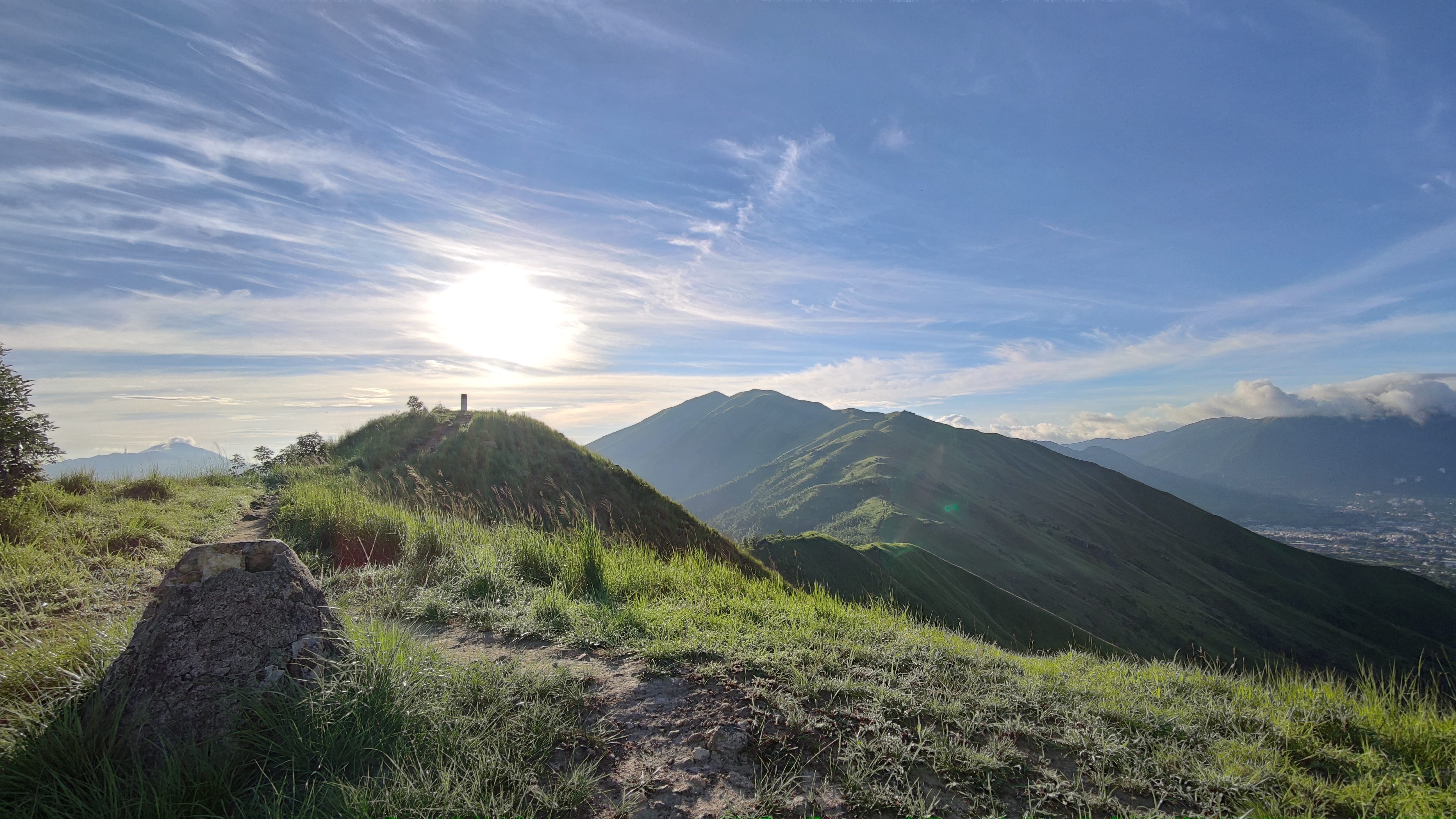
Truth be told, a lot of hikes in Hong Kong are really just pleasant walks. Many trails are so well-paved that even first-timers can jump right in without worrying. That said, there are a few longer routes that can still give even seasoned hikers a proper workout.
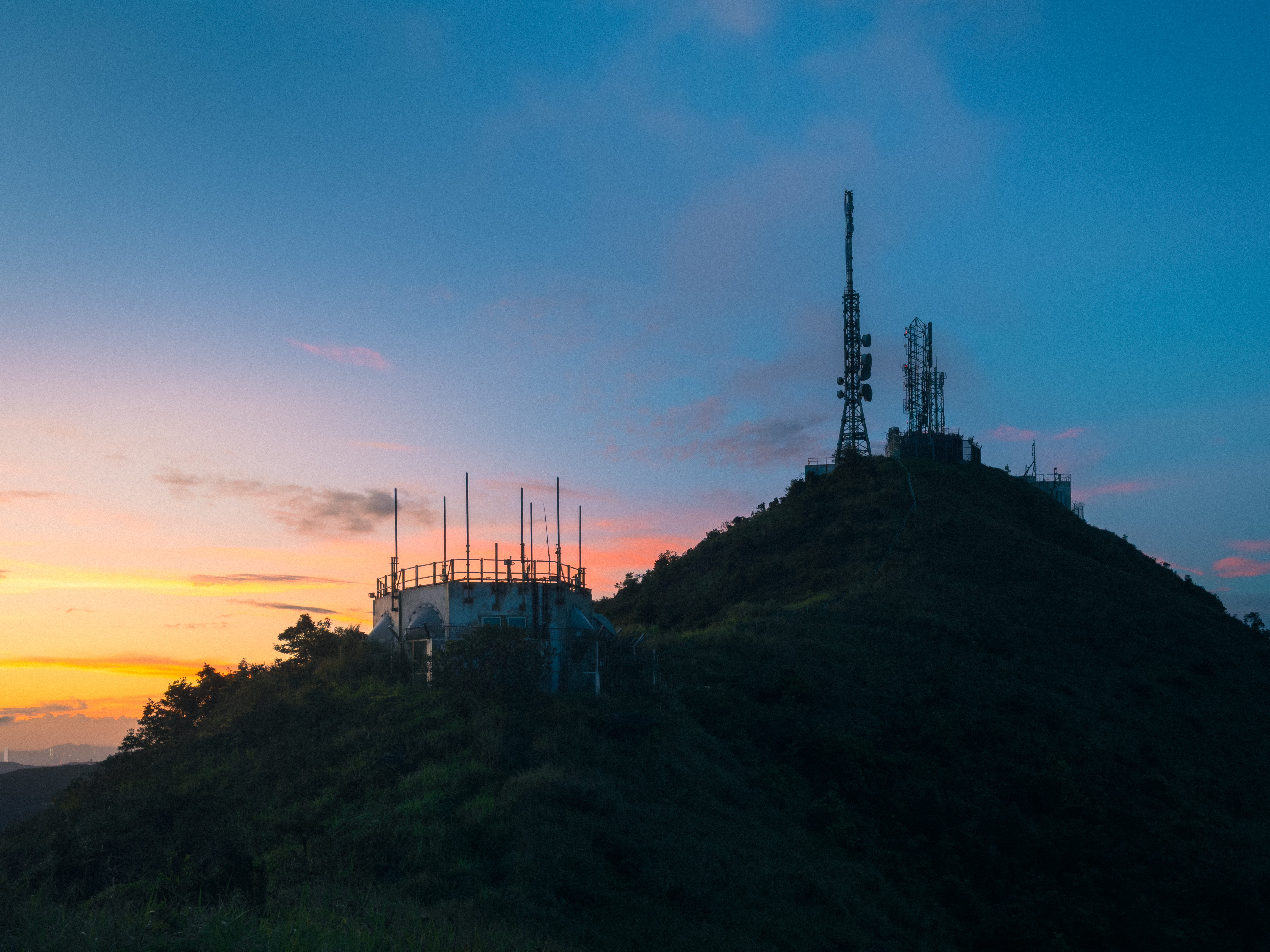
What’s truly unique about hiking in Hong Kong, though, is the wild city-countryside contrast you won’t find anywhere else. From within the heart of the city, trails can take you past skyscrapers and apartment blocks perched on mountainsides, sometimes right by someone’s 40th-floor flat. The views are equal parts jaw-dropping and slightly surreal.
Head out into the rural areas, and it’s a whole different story, with abandoned houses and old temples that look like they haven’t been touched by modern life in decades. Part of me often wishes Hong Kong did more to preserve its architectural history. The few buildings that remain in areas like Plover Cove and Sheung Shui offer a glimpse into the city’s past, back when it was just a humble trading port.
One of the biggest regions to explore as a hiker is Sai Kung East Country Park, home to nearly 40 peaks, quiet villages, and rugged coastal corners that feel worlds away from the city. It became one of my favourite places to visit back in high school, where every weekend I’d hop on a bus and pick a new route I hadn’t tried before. It’s also one of the least light-polluted spots in the city, which says a lot considering how the skyline usually washes out the stars. Out there, stargazing feels like an absolute dream.
For those seeking more challenging and technical climbs, spots like Kowloon Peak, Shek O, and the western side of Lantau Island also offer plenty of opportunities for scrambling and rock climbing.
What are the Hikes Like?
I’ve already shared a post about some of my personal favourite hikes in Hong Kong, but here are a few more that didn’t make the cut last time.
Suicide Cliff
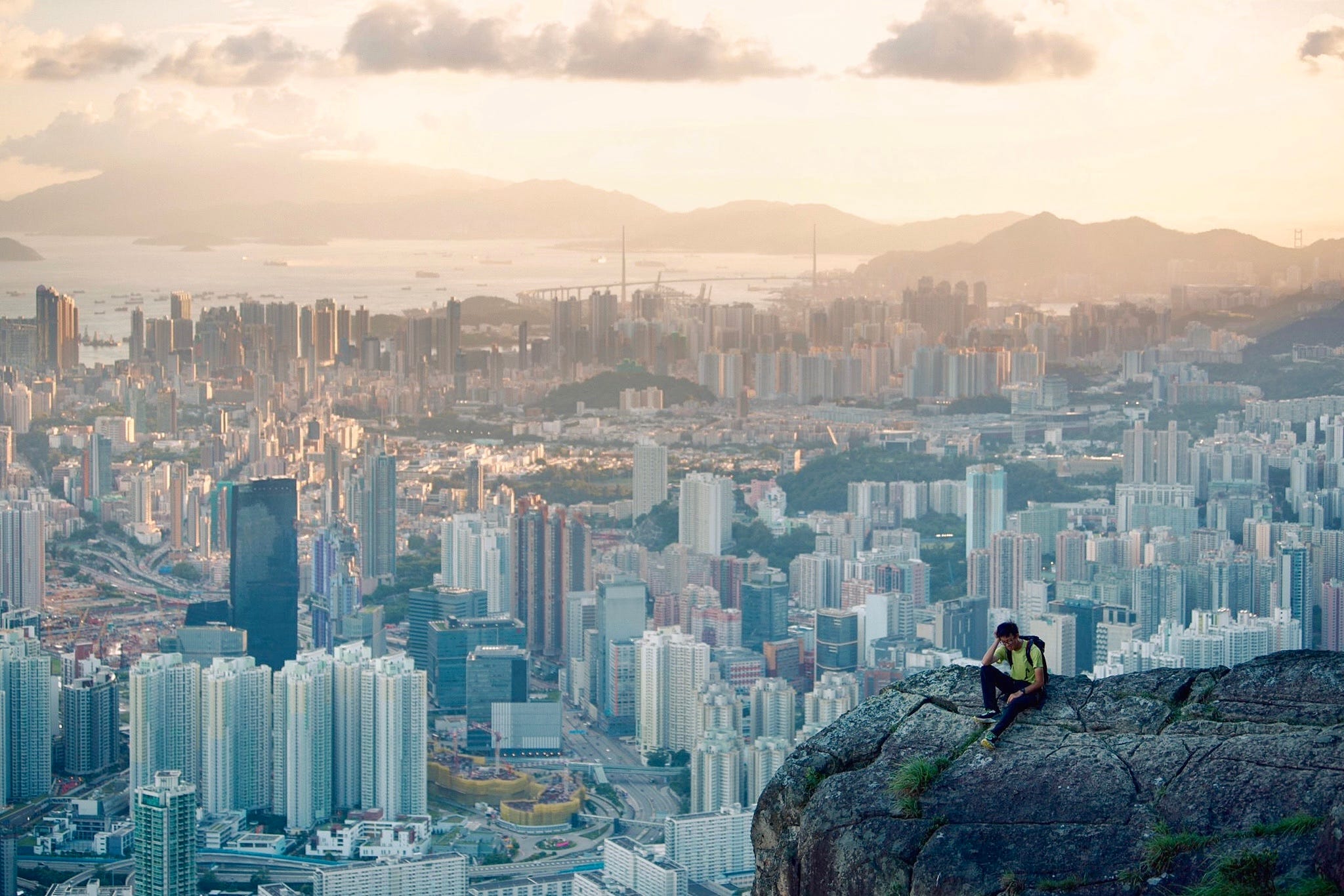
Perhaps the most touristy hike on the list, but for good reason. Start at Fei Ngo Shan Road, and in about 30 minutes you’ll reach the top of the famous rock face, looking out over sweeping views of Victoria Harbour and Hong Kong Island. If you time it right and go in the late afternoon, you can even catch the sunset painting the skyline.
Robin’s Nest
Tucked away in a remote country park in the north of Hong Kong, getting to Robin’s Nest can be a bit tricky, but the peak makes for an incredible sunrise spot. The real highlight, though, is exploring one of Hong Kong’s largest abandoned mines. Lin Ma Hang Mine is just a short walk from the peak, and it’s a fascinating place to learn about the area’s history.
Pak Lung Stream
Located right next to the popular Wong Lung Stream, this is one of the many stream hikes you’ll find on Lantau Island. Over the years, Wong Lung Stream has become so crowded that it’s lost some of its charm, but there’s an alternative. Right next to the start of the main trail, there’s a small path that leads down to Pak Lung Stream. It might not be as impressive as its bigger neighbour, but in my opinion, it’s quieter, more peaceful, and overall a far more enjoyable experience. That said, it’s by no means an easy hike, and like any stream trail, make sure you avoid going on a rainy day.
Ma On Shan
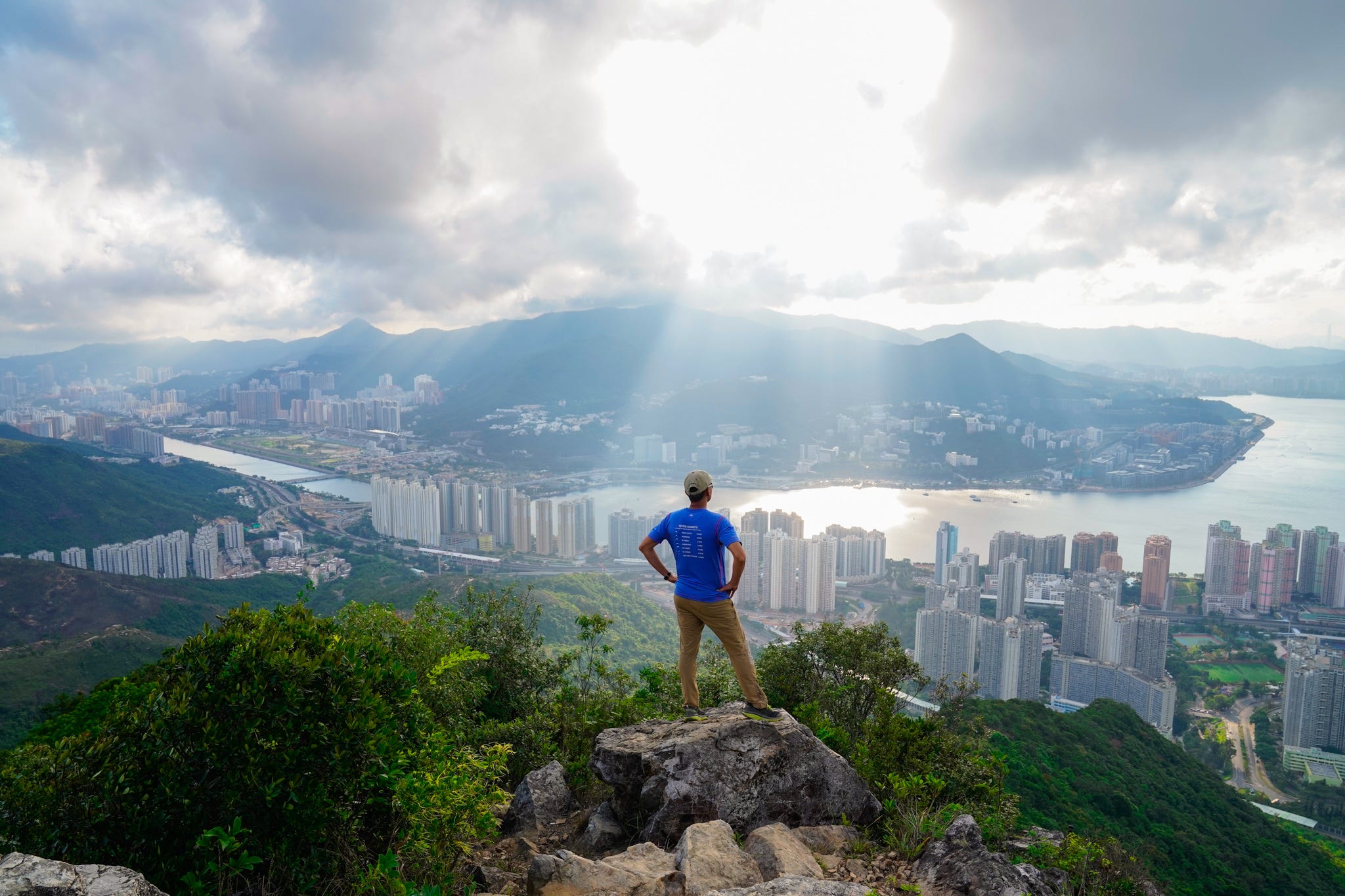
This mountain is quite a personal one. I used to hike up after school every now and then just to spend the late afternoon sitting on the peak. Once you reach the top, you’ll find yourself standing right under a flight path, with a plane passing overhead every 10 minutes or so. It’s one of the most dynamic hikes around, with several different routes to the summit. One of them, called Elephant Trunk, is a Grade 2 scramble with some technically tricky sections.
Tsing Yi Peak
Probably the least well-known hike on the list, but in just over two hours, the trail takes you to an unmatched vantage point, offering some of the best views of the Hong Kong container port and the city’s iconic suspension bridges. Just make sure you have steady footing on the way back down to Mayfair Gardens; the trail can get a bit rough.
One small note: the route passes through a graveyard, which freaked out some of my friends the last time I went at night, but hey, it does add a bit of thrill.
What’s the Weather Like?
Like many places around the world, summer in Hong Kong has become increasingly warmer each year, with recent ones hitting 40°C or higher.
The city doesn’t have a clearly defined rainy season, but the heaviest rainfall typically occurs from June to August, when typhoons are also most likely to hit. Honestly, hiking in Hong Kong during the summer can feel like signing up for a death march, so if you actually want to have an enjoyable experience, late autumn and winter are probably your best bets.
The Hong Kong Observatory, the city’s official weather agency, is the most reliable source for forecasts and severe weather updates, so it’s a good idea to check it before heading out.
Summer (Jun-Aug): 28/38°C (82/100°F)
Autumn (Sep-Nov): 20/28°C (68/82°F)
Winter (Dec-Feb): 12/20°C (54/68°F)
Spring (Mar-May): 18/26°C (64/79°F)
How to Get Around?
One of the best things about living in such a compact and dense city is how accessible everything is. You can get out of the busy downtown streets and find yourself in a quiet countryside village in less than an hour, thanks to trains, buses, and minibuses that cover most of the city.
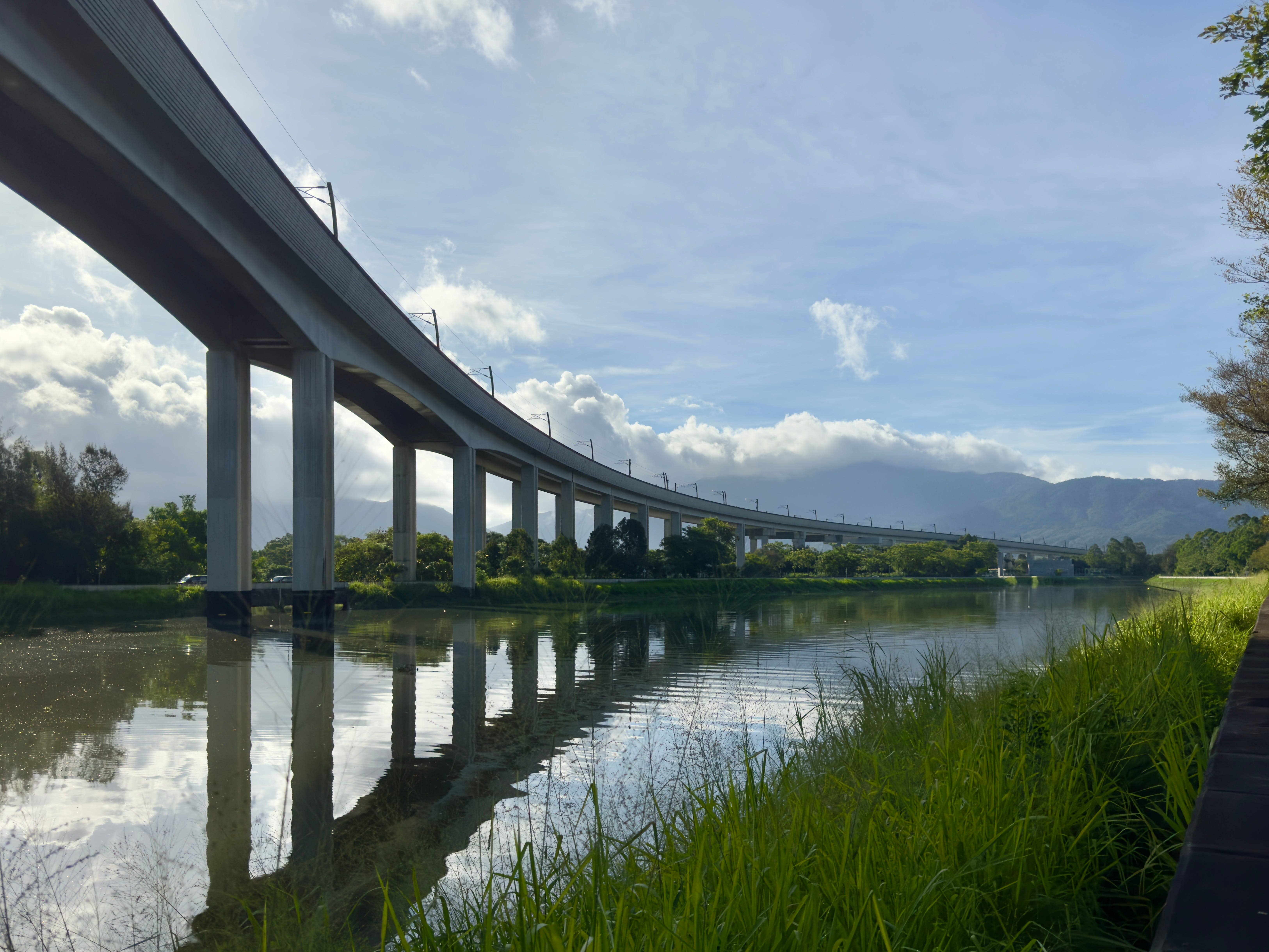
While I wouldn’t suggest following it blindly, Google Maps is more than enough to get around. If you spot a hike that catches your eye, just take the MTR to the nearest station and let Google Maps guide you to a bus that’ll get you there. For really remote spots, Uber or a taxi might be your next best option.
Hopping on a minibus, though, takes a bit of courage. To get off, you actually have to shout ‘May I get off?’ to the driver, preferably in Cantonese. It can be a little intimidating, and it’s one of the reasons I tend to avoid minibuses unless I really have to catch one.
Where Should I Stay?
While I haven’t used it myself, Airbnb is a popular option for those seeking more budget-friendly stays in busy areas like Tsim Sha Tsui. There are also a few capsule hotels dotted around Central, such as SLEEEP. Unfortunately, hotels in Hong Kong are notorious for being quite expensive, and as much as I’d love to give you a solid list of recommendations, the prices swing so wildly that it’s better to check online yourself before you go and get the most up-to-date deals.
If you’re planning to spend a few days hiking in Hong Kong, though, I’d really recommend camping in the official campsites. Not only does it save a ton of money, but many of the city’s multi-day trails lead you into corners of Hong Kong that most people never even hear about.
What about Food?
Besides the usual tourist highlights you see on every Instagram story or travel site, I’ve found that local snack shops, bakeries, and even supermarkets are actually an underrated place to hunt for local delicacies, and they’re great, especially when you need simple, on-the-go food for camping. One thing I always like to take with me on the trail is a pineapple bun. Contrary to its name, the sweet bun doesn’t contain any actual pineapple; it just has this buttery, golden, crispy topping that is not only addictive but quite filling as well.
A handy trick when you’re looking for nearby places to eat is to type the cuisine you want into Google Translate and search for it on Google Maps in Chinese. You’ll usually get a lot more results that way, along with suggestions that lean toward what locals actually recommend.
Can You Get By with Just English?
5000 core vocabulary words, and about 1,000 colloquial characters for expressions you won’t find in standard written Chinese. Not sure if you’re the type to dive into a new language before travelling, but unless you’re planning to stick around for ten years, just picking up a few everyday phrases is more than enough to impress both your friends and the locals.
Not everyone in Hong Kong speaks fluent English, but after 156 years as a British colony, you’ll find the city sprinkled with it, on street signs, menus, corner shops, you name it. There’s even a street called Macdonnell Road, which is casually translated into McDonald’s Road in Cantonese.
One Last Piece of Advice!
Hong Kong is surrounded by over 260 islands, so besides hitting the usual tourist spots, why not set aside a day or two to explore islands like Lamma Island? They’re home to unique, history-filled fishing villages that are well worth a visit.
Best of Luck!
Anything you still have questions about, let me know in the comments below!