Ngong Ping 360
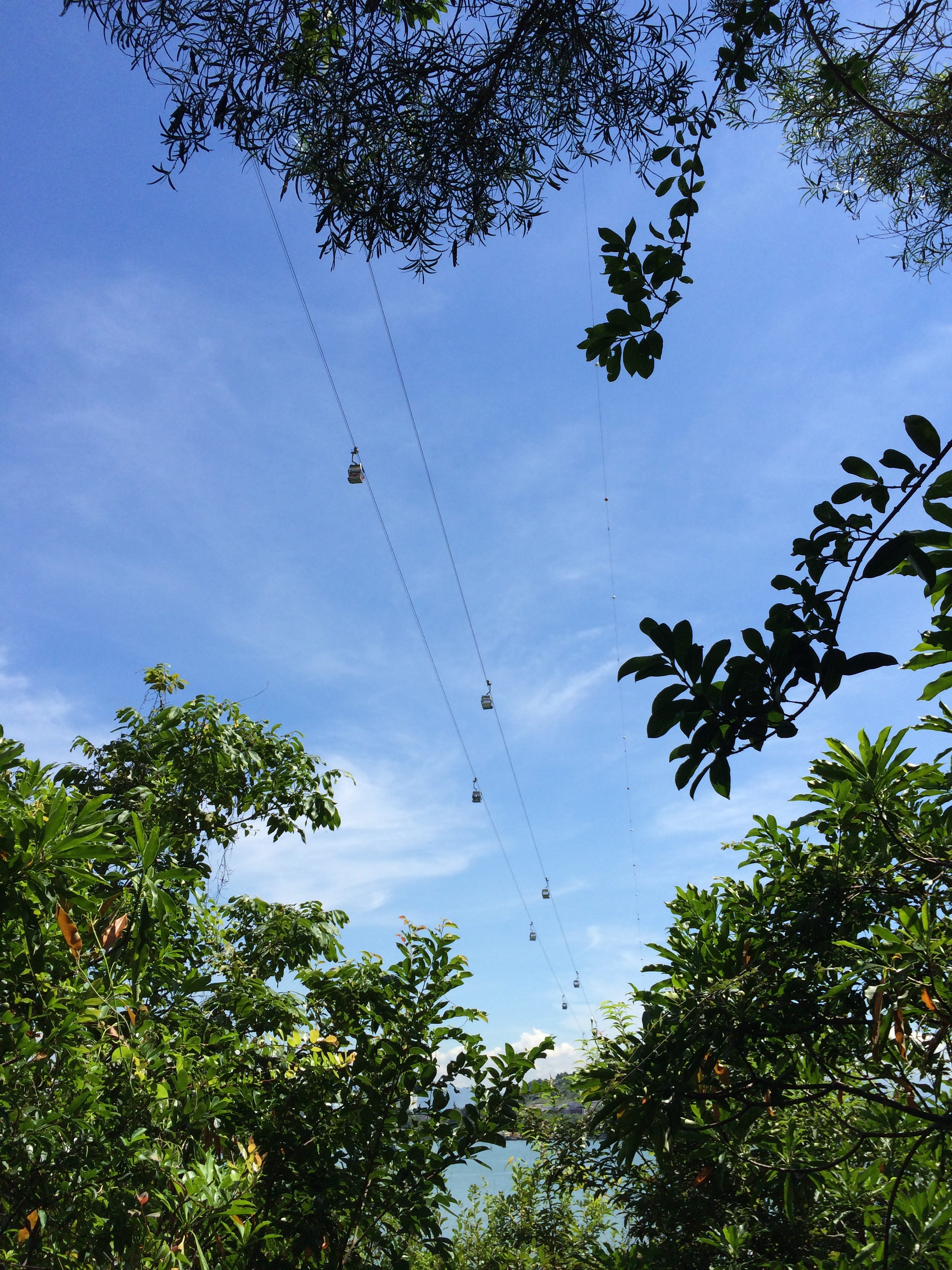
Located on Lantau Island, this originally rescue-and-maintenance route for the Ngong Ping 360 cable car runs directly beneath the line, and takes visitors from downtown Tung Chung to the Big Buddha.
In the months following my first trip to Mount Fuji, though the pain my legs felt was still firmly at the back of my mind, memories of the view from the summit and the warm, friendly locals we met during our ascent began to surface. It was then that I started to change my outlook on the experience — maybe it wasn’t so bad.
One evening, whilst having dinner with my family, a random thought popped into my head.
‘Dad, is there a mountain that’s slightly higher than Mount Fuji?’ I blurted.
Dad quickly looked over to Mum, his eyes lit up.
‘How about Mount Kinabalu in Malaysia? It’s around 4100 m.’
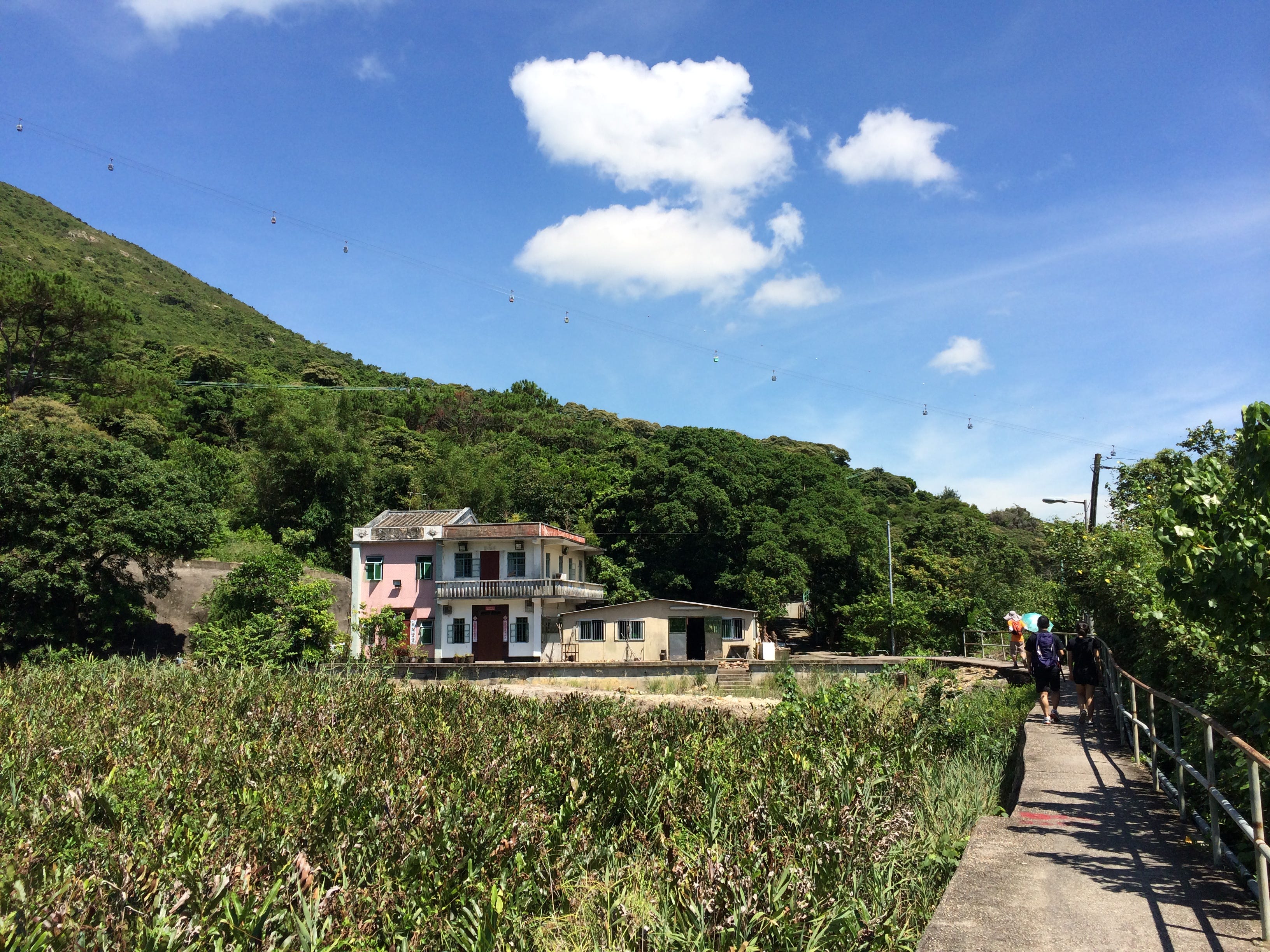
And so, in preparation for our next adventure, my parents bought an Ngong Ping 360 annual pass, where almost every weekend, we would travel to Tung Chung and spend the first half of the day hiking the five-kilometre trail, before taking the cable car back down to the city centre.
In total, I must have visited the trail at least thirty times that year, but it never got old. One of the best parts of the route is that it runs through several support towers of the cable cars throughout. I have so many fond memories of us having our packed lunch beneath one of them, waving at the bemused passengers every time they passed by.
Another cool thing about the trail is that parts of it are paved with wooden planks, and walking through it can often feel as if you’re floating above the lush green forest. Particularly during golden hours, with the sunlight shining through the trees and bouncing off the wooden boards, there’s nothing quite like it anywhere else in Hong Kong.
But that’s not to say it’s a simple walk. The elevation gain can still be somewhat of a challenge, and I’d personally avoid it entirely on rainy days. On one occasion, we were about two-thirds of the way down the trail when the floodgates of heaven opened. It genuinely felt like the last great flood of mankind. I fought as hard as I could to keep my footing and avoid being swept away, but those bloody wooden planks still managed to launch me sliding on my arse.
Once you reach the top, you’ll find yourself in the middle of the bustling ‘shopping district’ of Ngong Ping Village. If shopping’s your thing, this might be the highlight of the whole route, but to me, it’s mostly a glorified tourist trap. If I were you, I’d make a beeline for the far end of the village, where a more modestly priced local cafe awaits for lunch.
Cheung Tsui
So there I was, sitting on my bed, staring out at Starfish Bay outside my window. It was the height of COVID, and even though we were allowed to stay on our boarding school campus, all our classes had to be held virtually from our tiny four-person dorm room. (Don’t ask me why.)
For the past month, I haven’t exercised much besides my usual afternoon jog. Exams were coming up, and I needed a way to destress. Lost in thought, I watched the sun slowly set, and the shadow of the mountain behind it stretched over the coastline. That’s when it struck me. I opened my laptop, and there it was, saved in my Google Maps locations, Cheung Tsui, the easternmost cape of Hong Kong.
Despite having heard about it countless times, I’d never actually been, mainly because it’s in such a remote part of the city. And so, with the weekend forecast looking decent, I finally decided to give it a try.
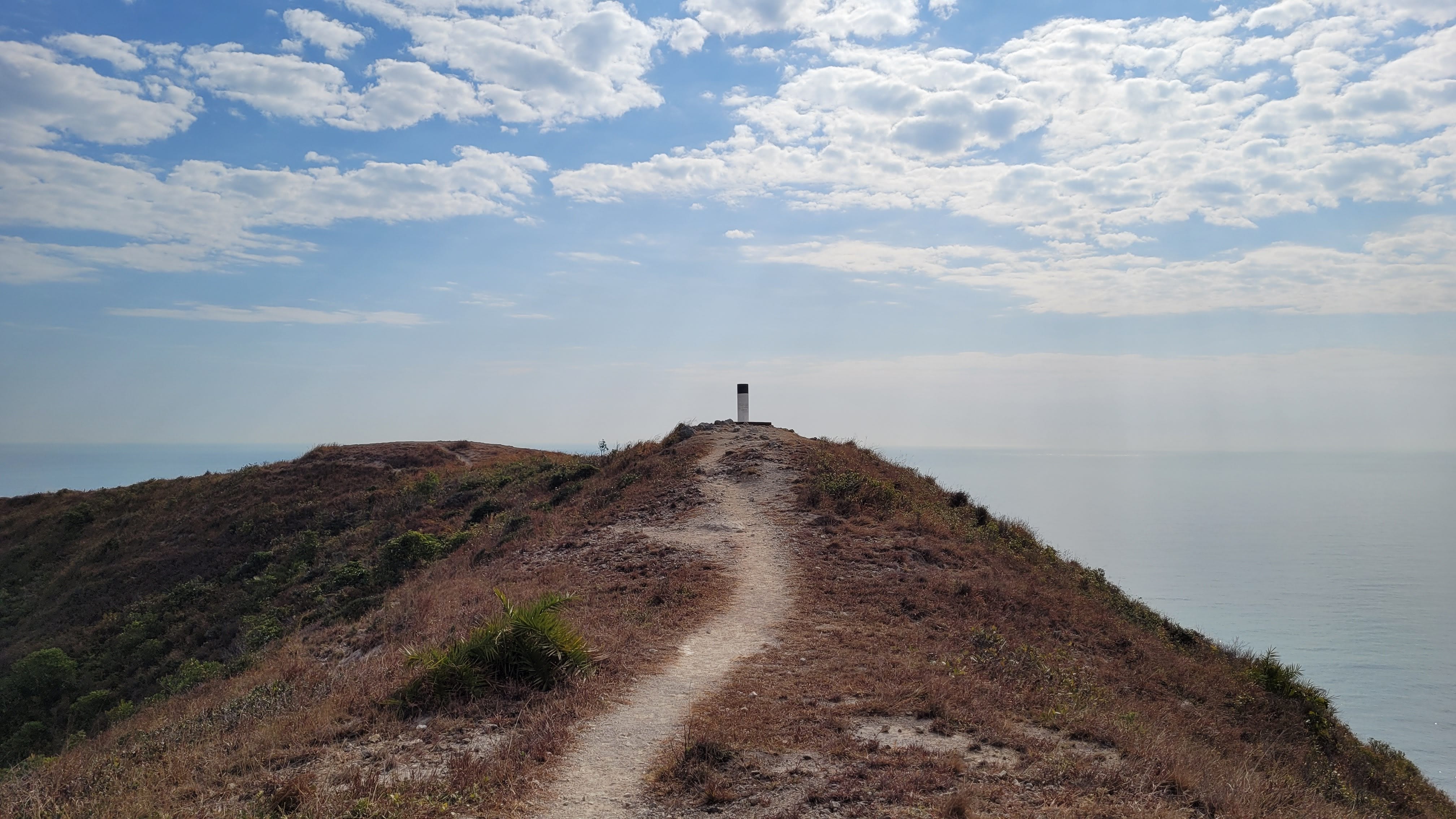
If you ask any locals about Cheung Tsui, many would probably call it the Edge of the World (a bit of an exaggeration, if you ask me). But there’s some truth to it. With Hong Kong surrounded by over 260 islands, it’s rare to find a spot where all you see is open ocean stretching out to the horizon.
Beginning at Pak Tam Au, most of the first half of the trip is just getting to the peninsula. Along the way, you’ll come across Chek Keng, a former Hakka village with a tiny, charming restaurant serving local seafood. There’s also a 19th-century chapel, now a Grade II historic building, and a pier nearby where locals come to fish.
If you know the Sai Kung area, you probably know that less than an hour away from Chek Keng lie some of the region’s highest peaks. It’s a fun little detour on the hike with a bit of light scrambling along the way. Personally, though, I’d save it for the return trip. The trail splits at the peninsula, with one route taking you along the ridgeline of three peaks, Tung Wan Shan, Mai Fan Teng, and Sharp Peak. It’s by no means a walk in the park, but the scenery from the top is undeniable.
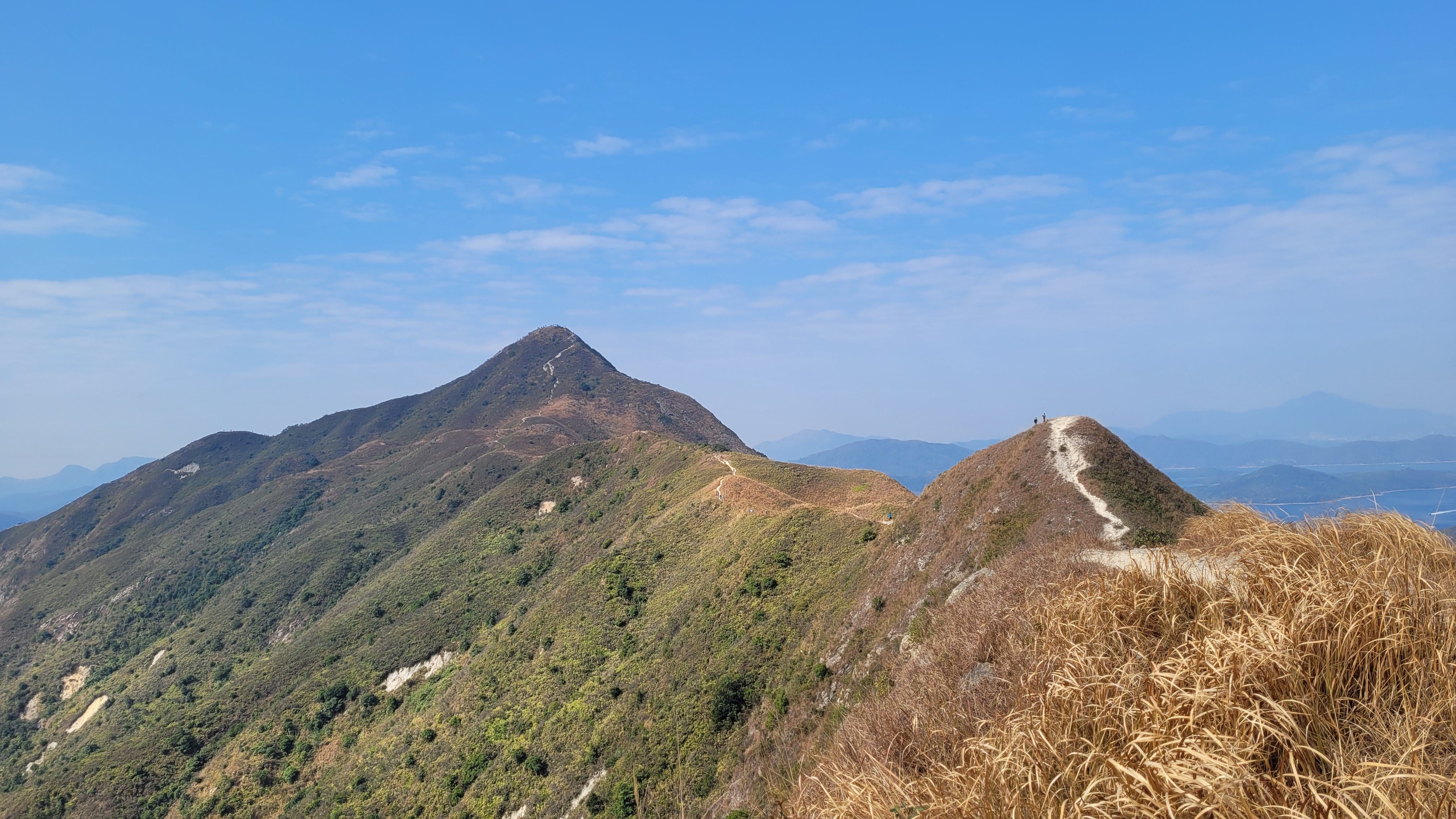
Once you reach Tai Wan Beach, the rest of the trail is mostly flat. I can’t speak for what it looks like these days, but the first time I did it, it was scorching hot, but it was great for me, as I had essentially the entire final stretch leading to the cape all to myself. Nobody wanted to spend the day on a sun-baked trail with no shade. Glance back, and you’ll spot people scattered across the far-off beaches, but look straight ahead, and it’s just you and an incredible, unobstructed view of the ocean.
If the weather’s a bit kinder, I’d definitely recommend splitting the hike into two days and camping at the tip of the peninsula. You’ll need to bring your own water, but Cheung Tsui and the surrounding coast are some of the few places in Hong Kong where you can look up at the night sky and see a blanket of stars, free from the city’s light pollution.
Rooster Ridge
‘They’re camping?! In this weather?’
I glanced over at a middle-aged man and his kid hauling backpacks almost twice their size, working their way up the steep steps toward the peak. Moments later, a small horde of Mandarin-speaking hikers surged past. The two of them set down their packs and unfurled a sign. Curious, I walked over, and it was then I realised what they were up to.
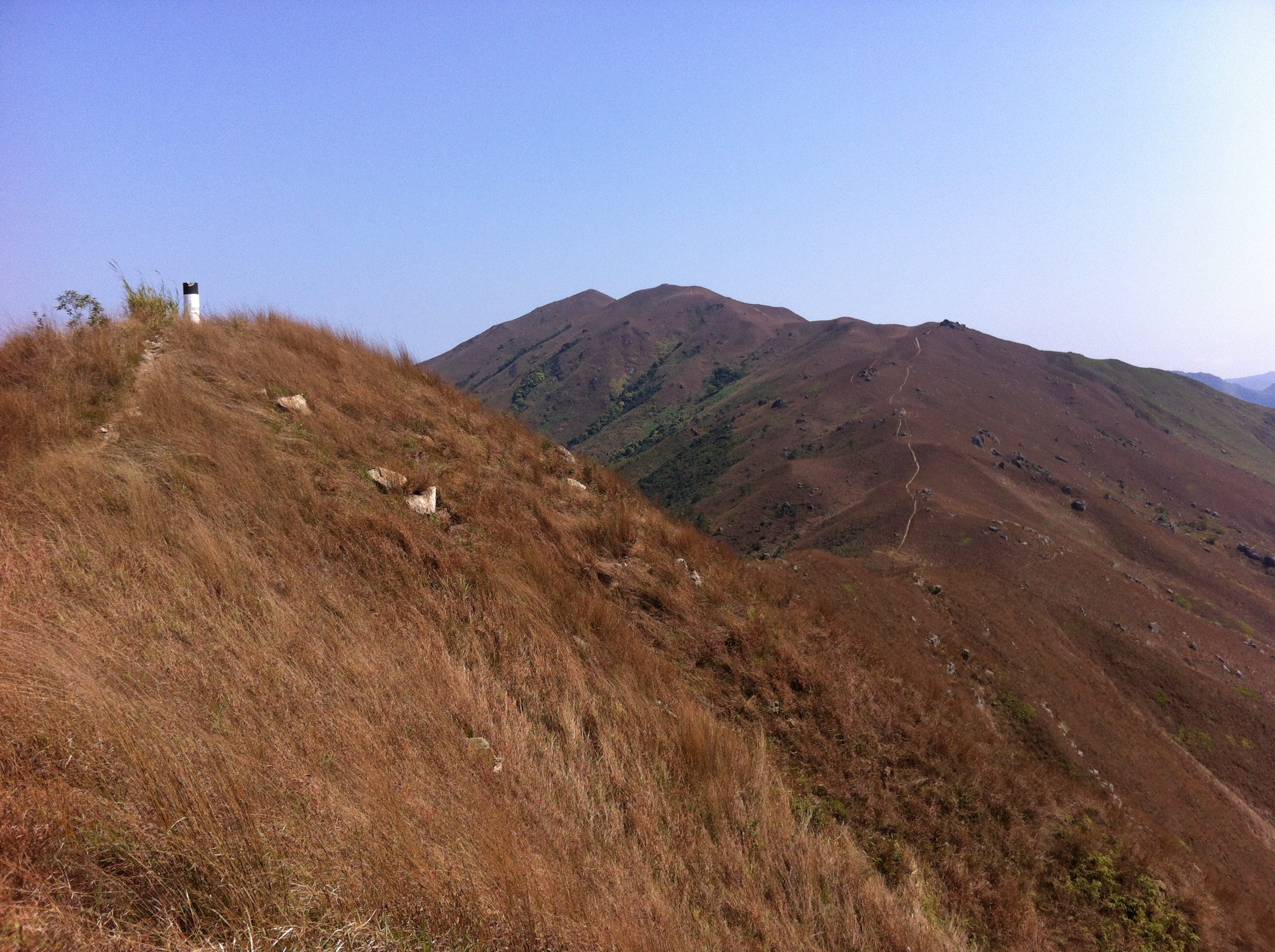
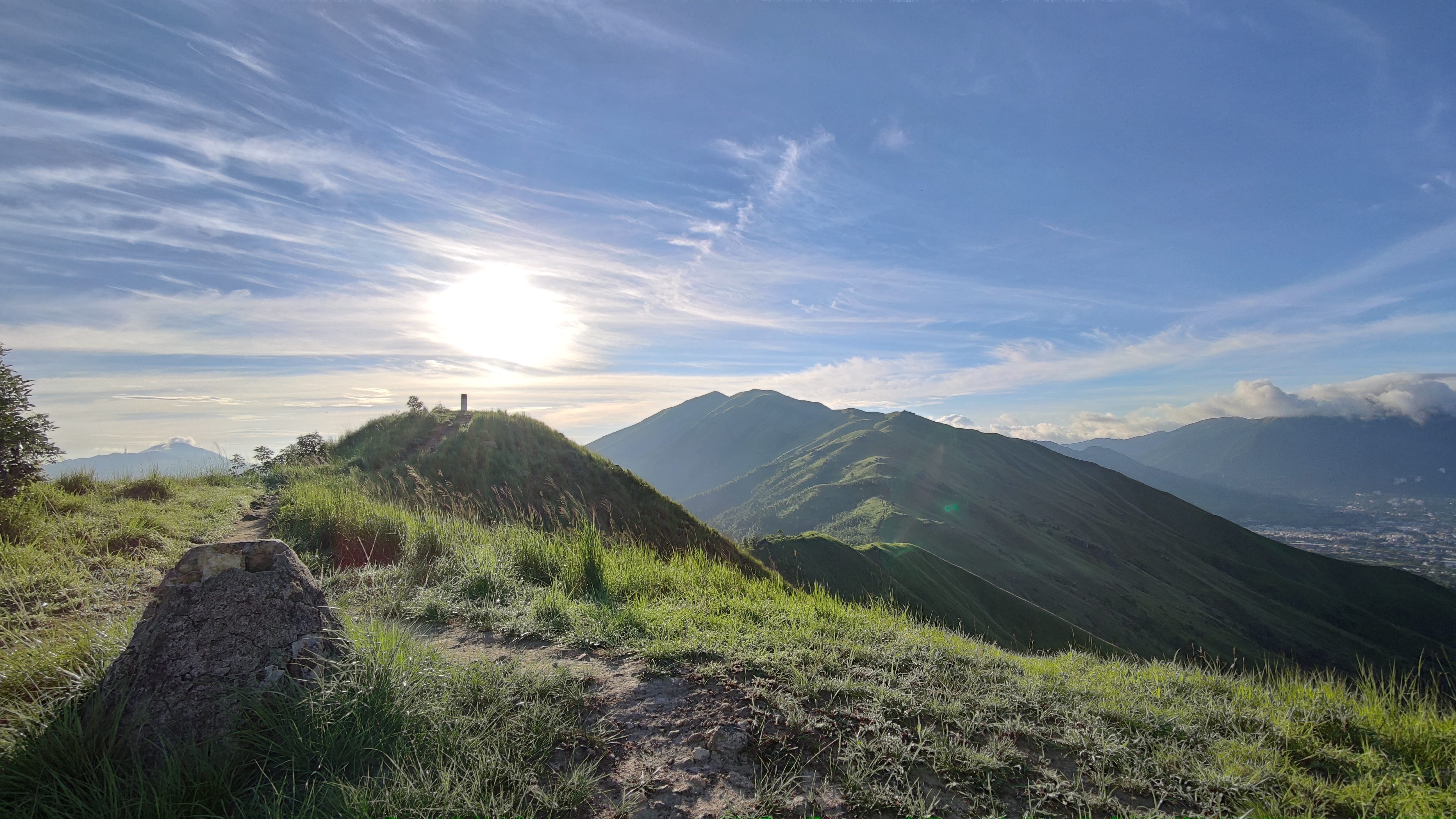
Rewind a decade, and my parents and I were scrambling up this mountain for the first time. The so-called ‘stairs’ were nothing more than a jumble of loose rocks and some wooden planks cobbled together; the trail was barely visible, and most importantly, there wasn’t a single soul on the mountain with us.
Rooster Ridge used to be one of those hidden gems in Hong Kong that hardly anyone knew about. During my final year of high school, I would occasionally spend a day hiking close to 40 kilometres from school back home, with Rooster Ridge marking the last stretch of the route, and I’d always get there just as the sun was about to set. On one side, you could see Fairview Park, and the farmlands behind it stretching out until the skyscrapers from Shenzhen loomed over the horizon; on the other, my hometown of Kam Tin and the MTR rail line running parallel, continuing onwards to Yuen Long, and Tin Shui Wai in the distance.
Since our very first hike, the mountain has essentially become our family’s playground, our back garden, so to speak. Whether it be taking friends up there, training, or just going for a casual walk, I’ve been up there more than I could count. But, in recent years, thanks to popular YouTube channels and, of course, Xiaohongshu, the Chinese social media platform, more and more visitors have been coming from far away, often in large groups, hoping to see the ‘real Hong Kong.’
Back to what I was saying about the fellows with the giant rucksacks. It turns out, their backpacks were a mobile ice-cream shop. That’s right. When we saw them putting up a price sign, we couldn’t believe it. The fact that someone would haul a massive pack up a mountain on a hot summer’s day just to sell snacks and drinks pretty much tells you everything you need to know about how popular this hike has become.
These days, as you get closer to the second and final peak, Lo Tin Teng, you’ll notice the trail often splits into several different paths, all eventually winding their way to the same summit. Sadly, with the surge of hikers hitting this route, the trail has taken a real beating. It’s gotten bad enough that some trail users have taken it upon themselves to post signs encouraging others to follow a single route in the hopes of preventing further degradation. So if you head up there yourself, a bit of care and responsibility goes a long way.
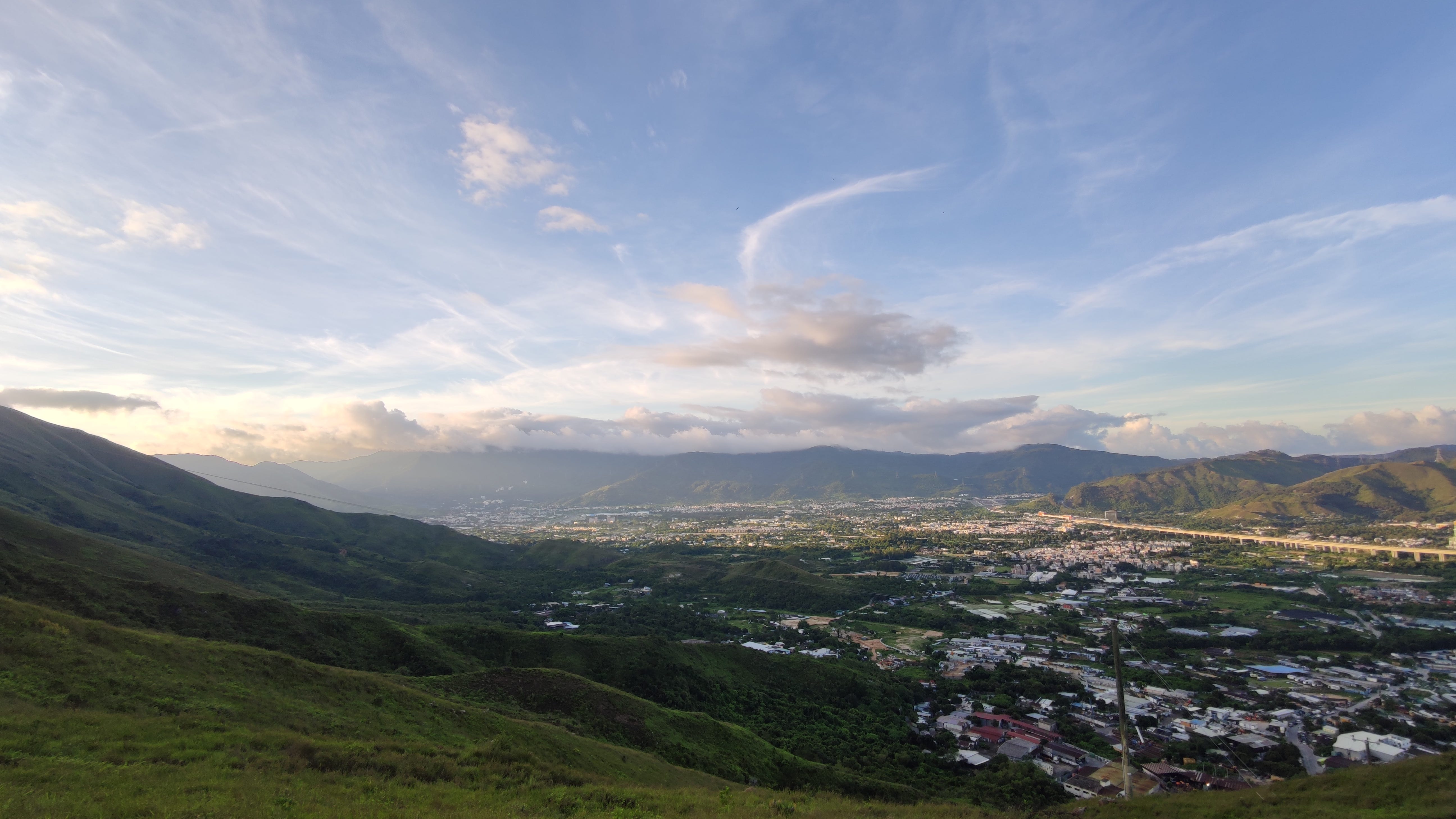
I went back and forth on whether to include Rooster Ridge. It’s always been my little escape from the crowds, and part of me wanted to keep it that way. It’s easily my favourite on this list, and it’s become so popular for a reason. Visit in the early hours of a spring morning, and sometimes a thin layer of mist drapes over the town below, giving you a sweeping view that makes you feel like you’re floating above it all.