Having climbed Mount Fuji multiple times throughout the past 15 years, a lot of people have asked me questions about the routes and various other aspects of the climb. I hope you’d find this guide helpful in answering some of those queries.
Watch Before You Climb
Which Route Should I Take?
Mount Fuji has four main climbing routes: Gotemba, Subashiri, Fujinomiya, and Yoshida, the most popular of the four, particularly among first-time climbers, accounting for over 50% of all ascents each year. The Yoshida Trail is often considered the easiest, thanks to its more gradual incline and the abundance of lodges and facilities along the way. It has ten stations, with the tenth being the summit, though most climbers start at the Fifth Station, 2,400 metres above sea level.
On the other hand, the Gotemba Trail is the longest and steepest route. It begins lower than the others at 1,400 metres, with fewer facilities until the higher stations. The official starting point is now the New 5th Station. Like the other routes, it has undergone several changes in recent years. Historically, it was possible to drive up yourself, but to reduce the environmental impact of private vehicles, reaching the Fifth Station today requires taking a coach from the nearby JR train station.
I’d also recommend checking out Fujinomiya, the second easiest and the shortest of them all. While it’s steeper and more physically demanding than Yoshida, it also sees fewer crowds. At least, you’re not squeezed up there with the entire population of Monaco, 3,500 metres in the sky. I’ve also seen climbers take the Fujinomiya route all the way at sea level from Yoshiwara Station in the city of Fuji, a challenge known as Sea to Summit. That said, the route is more exposed to turbulent weather and strong winds from the Pacific Ocean, but I suppose that’s the price you pay for fewer people.
Regardless of the trail, recently, the government has introduced a 4,000 yen hiking fee, which you need to book online; the portal opens two months before the climbing season. For those tackling the Yoshida Trail, there’s also a daily cap of 4,000 climbers.
When Should I Go?
TL; DR: Late July to Late August
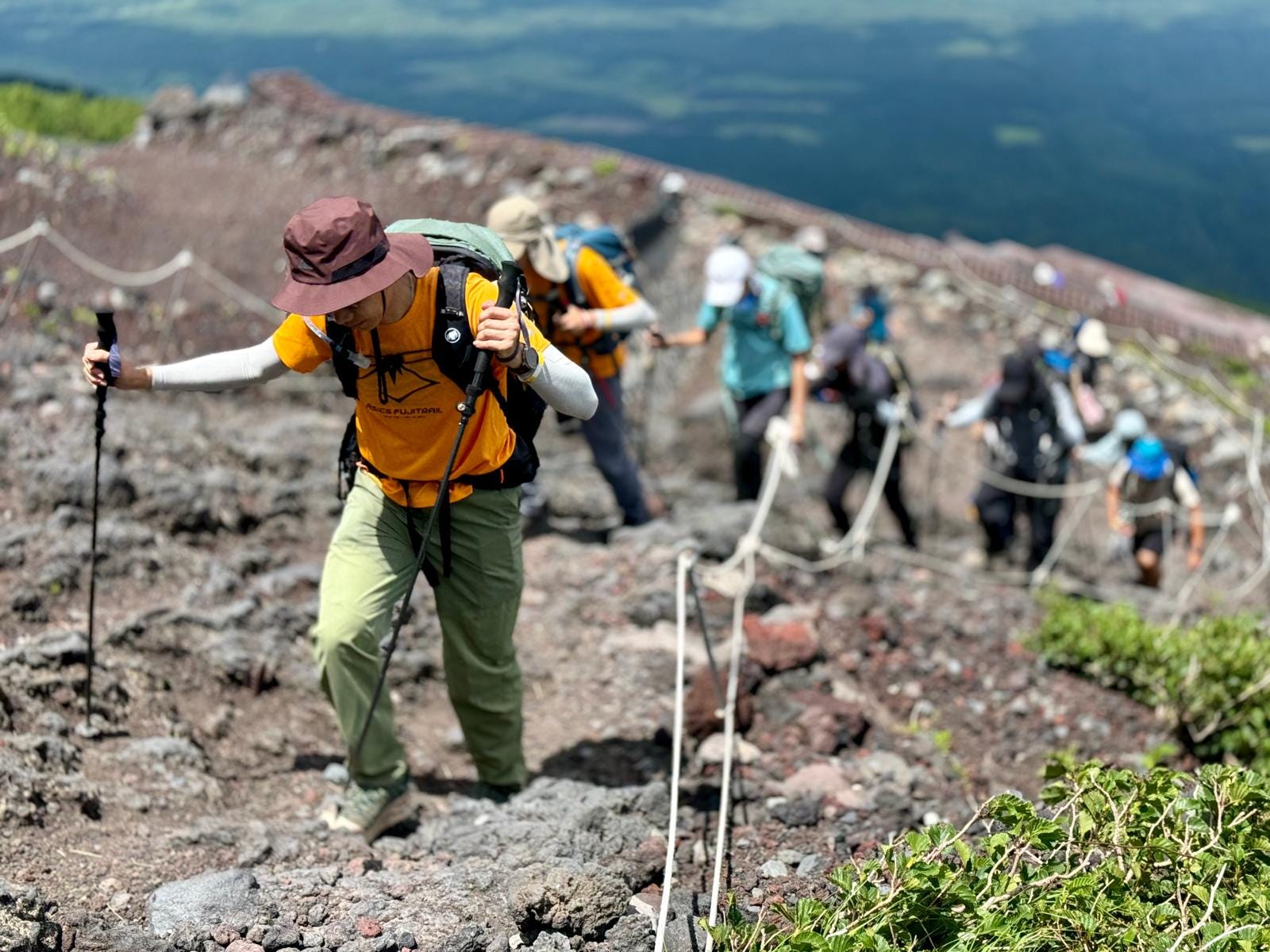
Mount Fuji’s climbing season usually starts in the first week of July and ends in early September. That said, I’d personally avoid climbing in the first half of July for two reasons. First, a lot of people want to summit the mountain as soon as the season opens, so congestion across all routes tends to be worse. Second, early July falls within Japan’s rainy season, which means your chances of getting clear weather, especially if you’re hoping to capture the mountain’s stunning peak from its base, are lower. The same goes for September, as it falls within Japan’s typhoon season.
Unfortunately, if you’re hoping to find a time when congestion is less likely, I’m afraid that will only be when the routes are closed. Outside the official climbing season, the trails and mountain huts are shut, which means that to reach the summit, you will most likely need to start from the base. On the Yoshida Trail, there’s one lodge, Sato-goya, located just under an hour from the Fifth Station Plaza, that stays open year-round. I should note that climbing the mountain during the off-season can be quite dangerous, so make sure you’ve got some prior hiking experience or have taken a mountain training course beforehand.
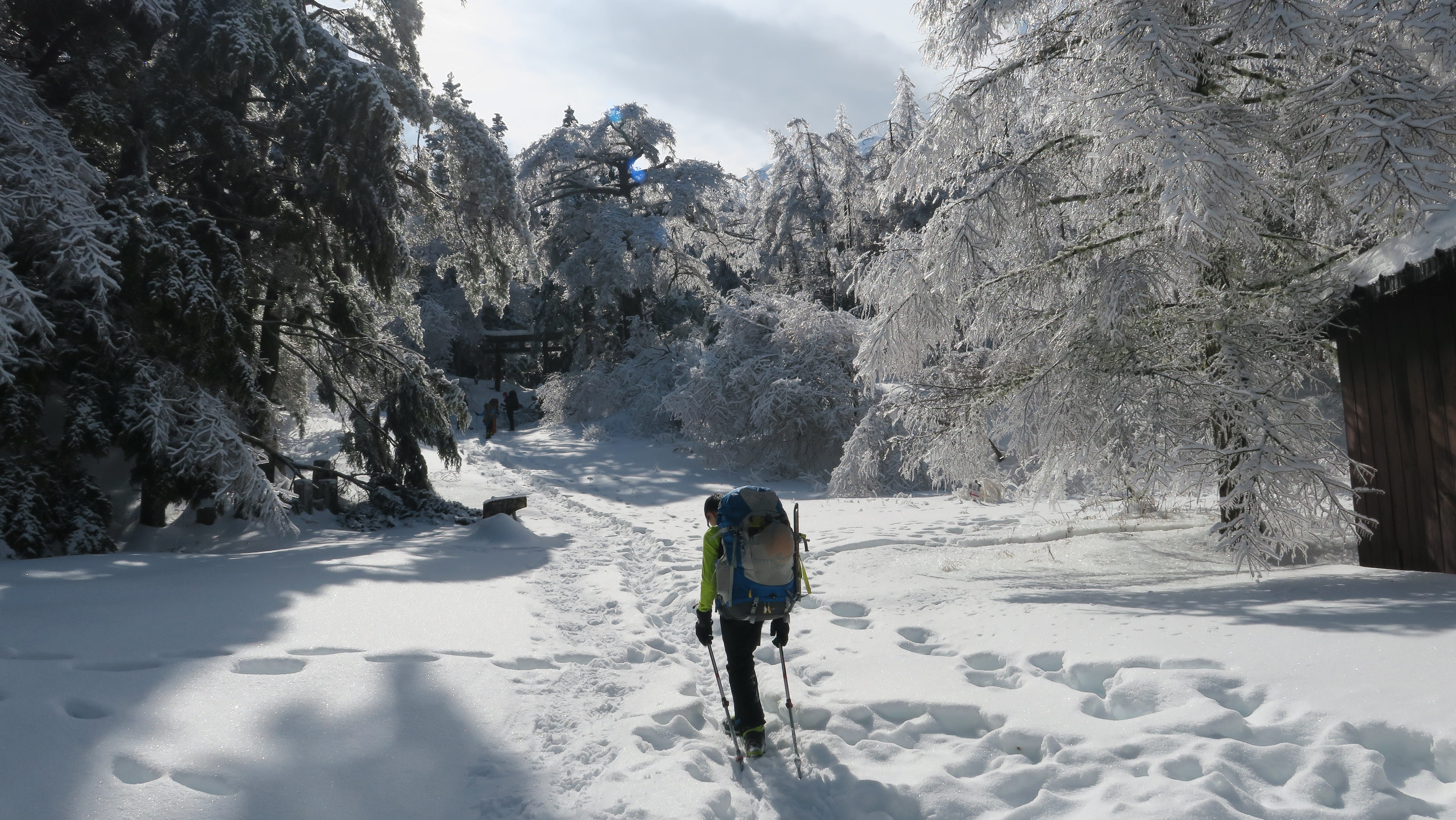
A lot of people ask me about the most dangerous climbs I’ve done, and Mount Fuji in winter is definitely up there. The mountain can be truly formidable at that time of year, and when you’re carrying over 20 kilograms of gear and food on your back, not to mention wading through snow up to your knees at -30°C, it’s not something to be taken lightly. I remember my first attempt nine years ago, just a few days before, a couple of mountaineers had been reported stranded and later found dead. Under normal circumstances, that would’ve been enough to put most people off, but since we were idiots, we went for it anyway. Yeah, don’t be like us.
How Do I Get There?
One great thing about Mount Fuji is that it’s highly accessible by public transport. For the Yoshida Trail, there’s a bus that takes you from Kawaguchiko Station to the Fifth Station. If you’re travelling from Tokyo, there’s also a three-hour coach from Shinjuku Station that goes straight there. The same options apply to the other trails, starting from their respective cities.
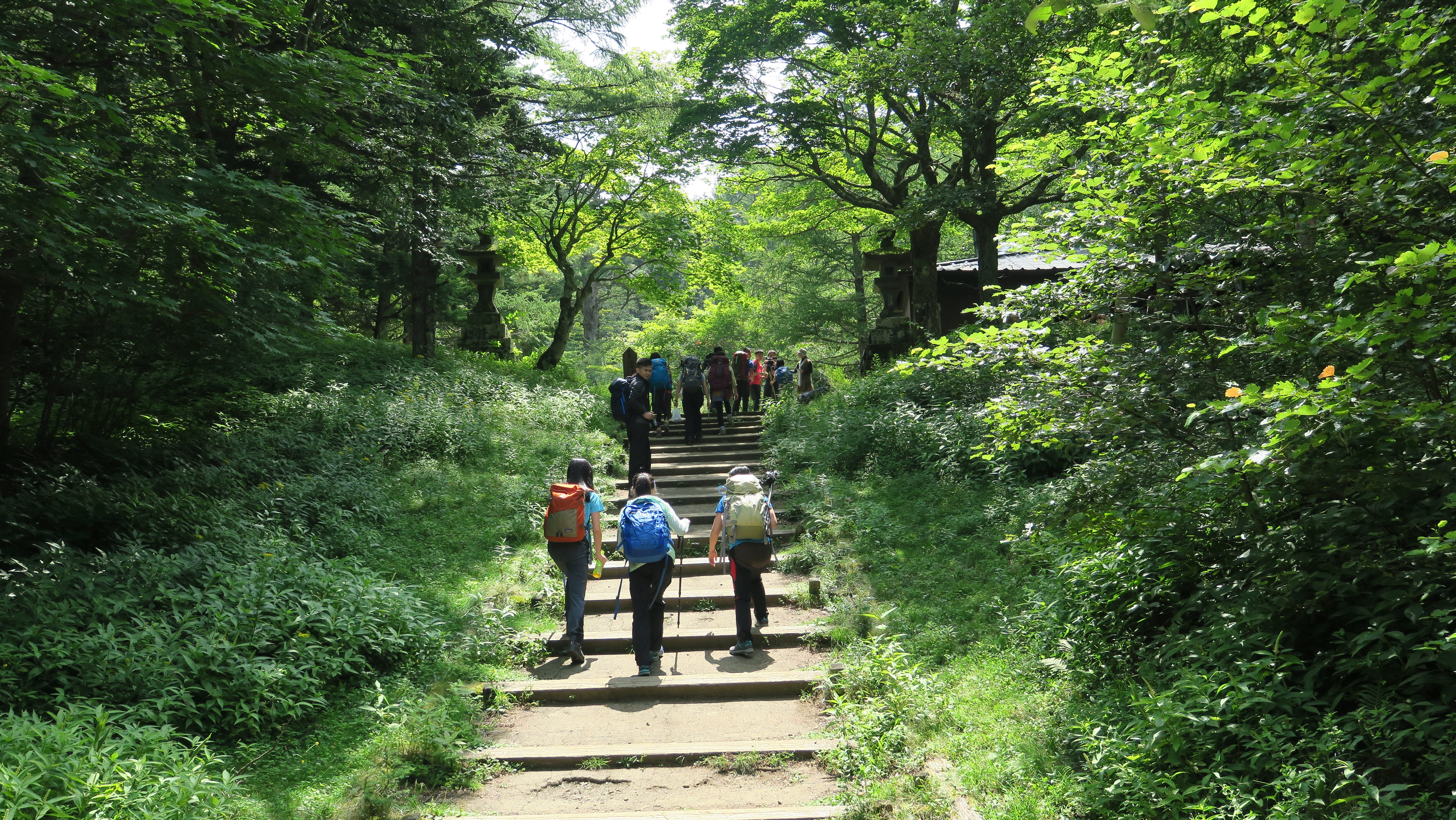
For those looking for more of a challenge, I’d highly suggest starting from the base of the mountain rather than the Fifth Station. On the Yoshida Trail, there’s a place called Umagaeshi, accessible only by car or a limited summer bus service. It serves as the starting point of the trail and lets you see a completely different side of Mount Fuji, forests and lush greenery that most people don’t get to experience.
How Long is the Climb?
Most climbers tend to start their ascent around noon, reach one of the lodges, eat, rest, and set off again at around 2, arriving at the summit just in time to watch the sunrise. In the past, however, it was possible to climb Mount Fuji in a single day. Dangan tozan, literally “bullet-climbing,” is the Japanese term for this method, and over the years, many people have attempted it. But due to health and safety concerns and overcrowding on the mountain, the government has banned this practice. Nowadays, staff at the Fifth Station trailheads may ask for proof that you’ve booked accommodation on the mountain.
If you intend to climb Mount Fuji from its base, I’d recommend adding an extra day to your itinerary rather than trying to cram everything into two days. Not only does this give your body more time to acclimate to the altitude, but it also allows you to fully immerse yourself in the journey and take plenty of photos.
N.B. - If you start your climb at Station 5 on any route, you can set off just before noon and expect to reach the lodge at Station 8 or 9 by around 18:00.
What’s the Weather Like at the Summit?
When climbing Mount Fuji during the official climbing season, it’s unlikely that summit temperatures will drop below 0°C. That said, I have encountered severe storms and terrible weather, which not only drastically reduce visibility but also make it almost impossible to stand upright. I’ve also seen people suffering from hypothermia, so make sure to check the weather forecast thoroughly in the days leading up to your climb.
Summer (Jul-Aug): 2/8°C (36/46°F)
Autumn (Sept-Nov): -10/-5°C (14/23°F)
Winter (Dec-Feb): -30/-15°C (-22/5°F)
Spring (Mar-Jun): -15/-10°C (5/14°F)
What Should I Bring?
Here’s a basic kit list for climbing Mount Fuji during the summer season. I have only one piece of advice: don’t just wear a T-shirt and shorts.
-
Clothing - Thermal top, fleece or lightweight insulated jacket, waterproof and windproof jacket, hiking trousers, warm hat, gloves, hiking socks, buff
-
Footwear - Ankle-supporting hiking boots or trail running shoes with good grip
-
Backpack Essentials - Daypack (25–35L), 1+ litre water bottle, sunscreen & lip balm, sunglasses, map
-
Food - Biscuits, chocolate bars, Energy-in Jelly Drink (Highly recommended)
-
Electronics - Phone, camera, chargers, headlamp
-
Basic First Aid Kit - Bandages, painkillers, antiseptic wipes, emergency blanket, altitude sickness medication, etc
-
Miscellaneous - Cash & coins, printed lodge booking confirmation
-
Optional but Useful - Trekking poles, gaiters, extra warm clothing, GPS device, trash bag, lightweight sit pad, pulse oximeter
Where Should I Stay?
Let’s start with accommodation outside of your climb. If you’re taking on the Yoshida Trail and wish to stay to explore the surrounding areas, there are plenty of budget-friendly hostels near Lake Kawaguchi. One that I’ve stayed in recently and really enjoyed is Hostel Saruya. The same goes for the other routes; just check Booking.com or Airbnb, and you should have no trouble finding hostels for around 5,000 yen a night.
For accommodation on the mountain, while the quality of lodges varies, even the best lodges along the Yoshida Trail are essentially your average youth hostels. There are a few lodges I’d avoid at all costs, one of them being Fujisan Hotel. I stayed there once, and you’re basically sleeping shoulder-to-shoulder with 30 other people. When everyone’s sweaty and stinky from the climb, you can probably imagine what that experience was like. Hakuun-so, Tomoekan, and Toyokan, on the other hand, are a noticeable step up, especially the latter two, which have private rooms if you fancy a bit of solitude (or just don’t want to hear someone else’s snoring symphony).
For those planning to tackle the Fujinomiya Route, Mannenyuki-Sanso is probably your best bet. It’s located at the Ninth Station, just over an hour from the summit, which makes the final push much less gruelling.
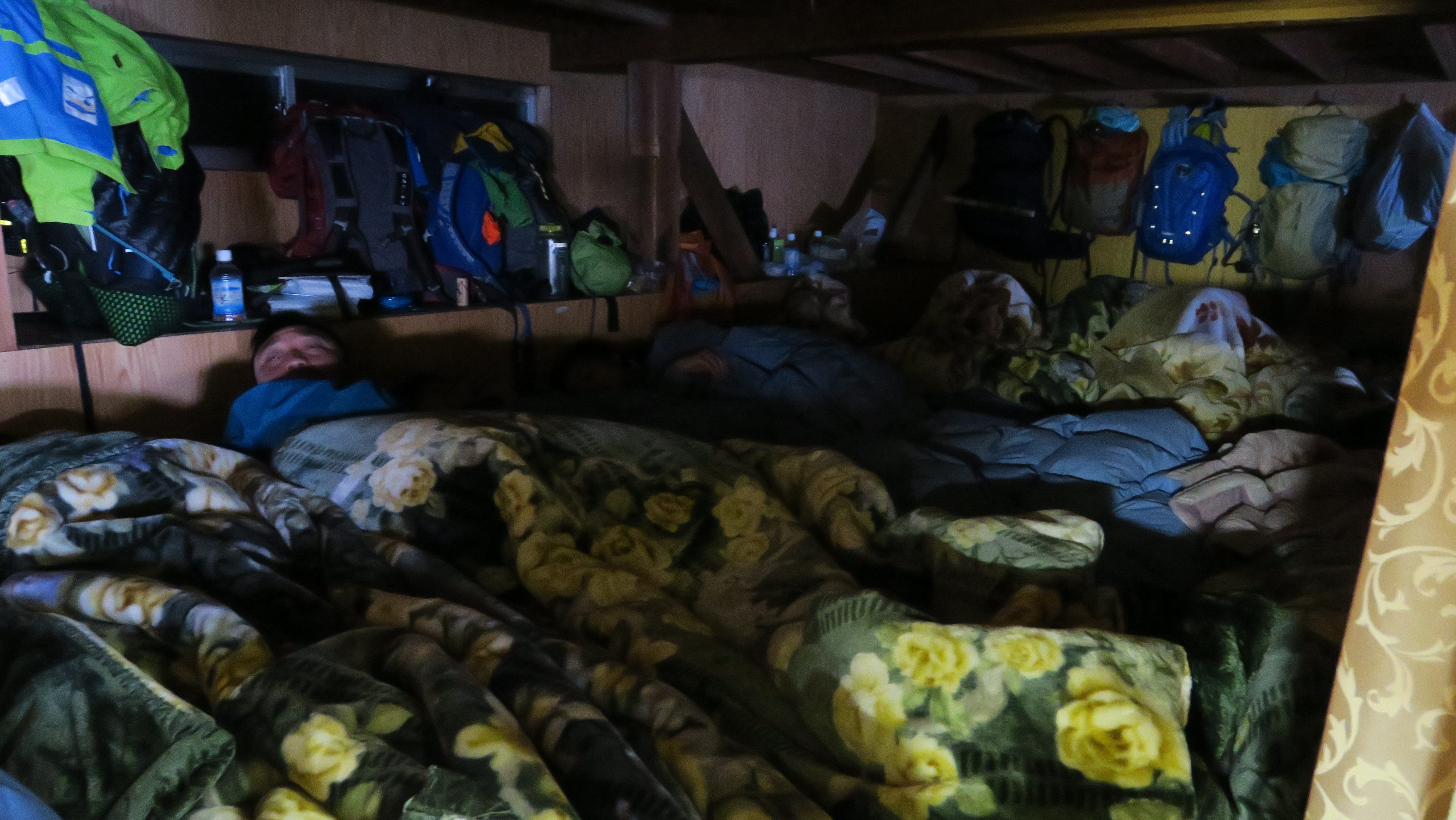
Regardless of which lodge you choose, one thing all of them have in common is the food. Every lodge serves curry rice, usually accompanied by a packaged meal that includes snacks, a boxed drink, and an onigiri rice ball for breakfast the next day. And due to the high number of climbers staying at the lodges each night, there isn’t enough room for everyone to have dinner together. As a result, those who arrive early tend to eat quite early, though you can ask whether it’s possible to swap time slots.
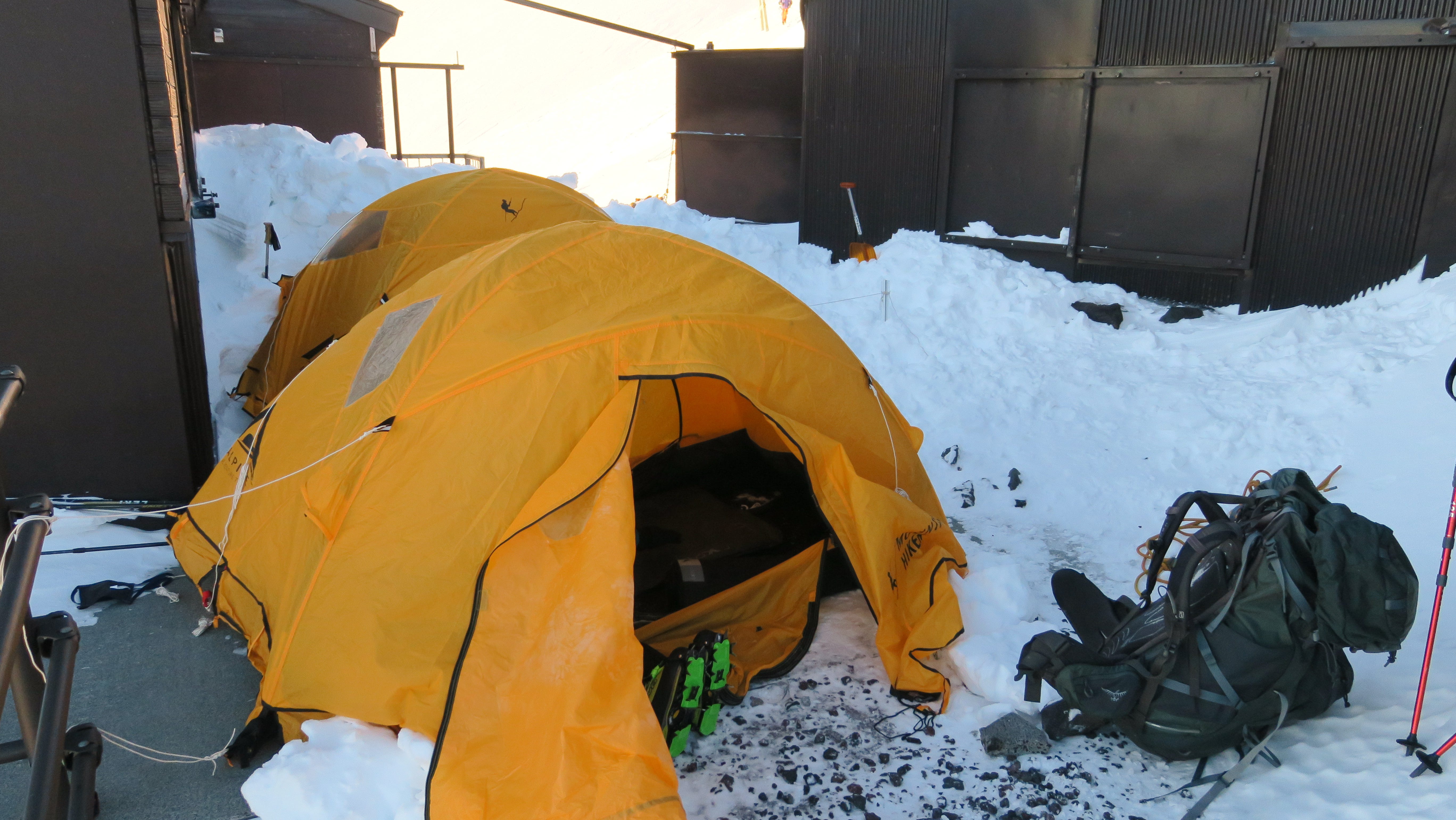
During the off-season, since no lodges are open, you really only have two options: make it a single-day climb or bring a tent with you. During winter, the snow is often so deep that it covers lodges up to the roof, so finding a spot sheltered enough to pitch a tent can be tricky. If you do find one, try to set up at Station 8.5 or higher and dig out a space to protect yourself and your tent.
What About Altitude Sickness?
Altitude sickness typically occurs above 3,000 metres. For most climbers, this means symptoms begin at around Station 7. As you ascend, the air pressure decreases, which means each breath contains fewer oxygen molecules. I’ve come across plenty of people struggling with nausea and headaches, some vomiting like there’s no tomorrow, and others lying around as if they’re on their deathbed.
While there are medications to help treat altitude sickness, the only real cure is to descend quickly. Unfortunately, susceptibility to high altitudes isn’t something you can fully predict; you only find out by experiencing it. That said, there is a useful device called a pulse oximeter that can provide real-time measurements of your blood oxygen saturation. While it’s primarily used for more intense, higher-altitude climbs, it’s a handy little device to have on hand.
My advice is to take the climb slowly and drink plenty of water. One of the best ways I’ve found to avoid altitude sickness is simply staying hydrated. Also, if you’re climbing during the peak season, you’ll probably spot a first aid centre at Station 8 along the Yoshida Trail. Dr Oshiro Kazue, a well-known mountain medic, is usually on duty there; she’s basically your guardian angel should you have any issues up there.
One Last Piece of Advice!
Whichever route you end up taking, consider spending an extra day or two exploring the areas around Mount Fuji. Shizuoka and Yamanashi are both stunning prefectures with plenty to see and do; it’d be a shame to climb the mountain and miss out on everything else nearby.
Best of Luck!
Anything you still have questions about, let me know in the comments below!